A Columbus yard has to handle steamy summer humidity, stubborn red clay, and storms that can turn a calm afternoon into a cleanup project. Keeping your property healthy takes more than mowing the lawn and trimming whatever looks overgrown.
At Residential Tree Service and Landscape, we focus on the problems affecting local yards and the practical steps that prevent bigger expenses. These four 2026 trends can help you act before pests, drainage problems, or storm-damaged limbs get worse.
1. Crape Myrtle Bark Scale Is Easier to Manage When Found Early
Crape myrtle bark scale can
spread across trunks and branches, weaken the tree, and leave the bark covered in black sooty mold. Finding the pest early gives you more management options before the infestation becomes severe.
Look closely around
bark crevices, branch unions, and pruning cuts. White or gray felt-like bumps may be egg sacs or established insects. The insects release sticky honeydew as they feed, and black sooty mold can grow on that residue. A tree may still leaf out and flower while the infestation builds beneath the canopy.
| What You Notice | What It May Indicate | Your Next Step |
|---|---|---|
| White or gray bumps on bark | Scale insects or egg sacs | Arrange an inspection |
| Sticky bark or pavement | Honeydew from feeding insects | Check nearby branches and trunks |
| Black coating on the tree | Sooty mold growing on honeydew | Identify the pest before treating |
| Weak growth or smaller blooms | Ongoing stress or a heavy infestation | Ask about a targeted plan |
The University of Georgia’s crape myrtle bark scale guide recommends regular inspections and management based on the insect’s life stage. Treatment timing matters, and some systemic insecticides may affect pollinators. One product or one spring application is not right for every tree.
What to do now: Check several sides of the trunk and a few lower branches. When you find suspicious spots, photograph them and schedule an assessment before applying a treatment.
2. Overhanging Limbs Can Become a “Pest Highway” and a Storm Risk
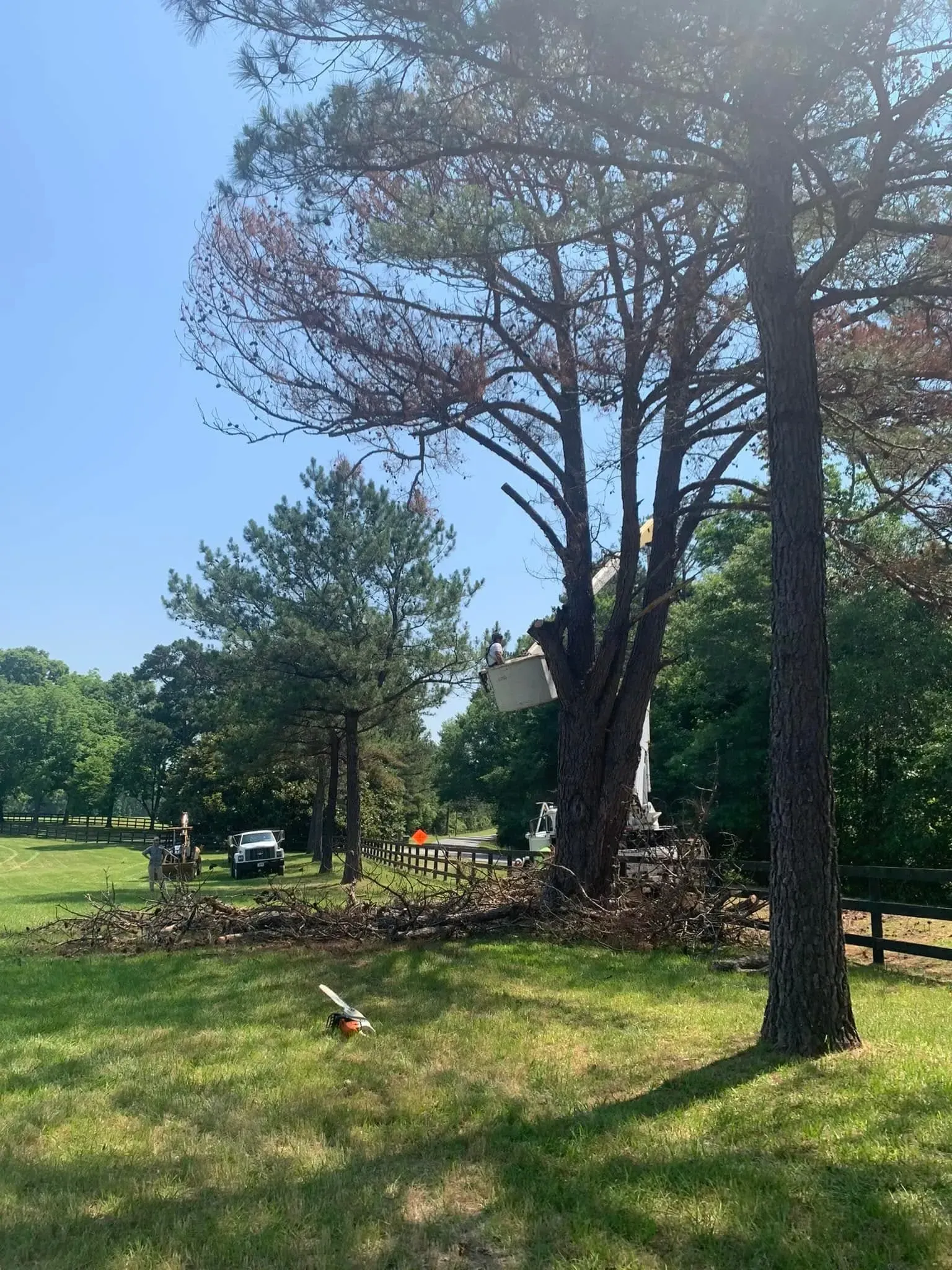
Branches that touch or closely overhang your home can act like a pest highway to the roof, but clearance is only one part of the issue. Those limbs may also scrape shingles, clog gutters, break in high winds, or hide structural defects that deserve attention before the next storm.
Roof rats and squirrels are capable climbers, so reducing easy access from trees is a reasonable pest-prevention step. University of California Integrated Pest Management guidance recommends pruning limbs close to roofs as part of roof-rat prevention. The exact pruning approach should also account for the tree species, branch structure, property layout, and the amount of canopy being removed.
A healthy branch should not be removed simply to meet an arbitrary measurement. Safe pruning depends on the species, branch size and attachment, distance from the structure, and how much canopy can be removed.
Walk around your home and look for:
- Limbs touching shingles, siding, gutters, or utility lines
- Dead branches above the roof, driveway, or play area
- Cracks where a large limb joins the trunk
- Hanging branches left after a storm
- A tree that has developed a new lean
- Soil lifting or roots becoming exposed near the trunk
Storm-risk limbs deserve urgency because waiting can turn planned pruning into an emergency removal or roof repair. Our professional tree services in Columbus, GA include trimming, precision removals, and 24/7 emergency response.
What to do now: Photograph the tree from several angles and avoid standing beneath damaged limbs. Ask for an evaluation when a branch is cracked, hanging, touching the house, or positioned where failure could injure someone.
3. Proper Soil Preparation Determines Whether New Sod Succeeds
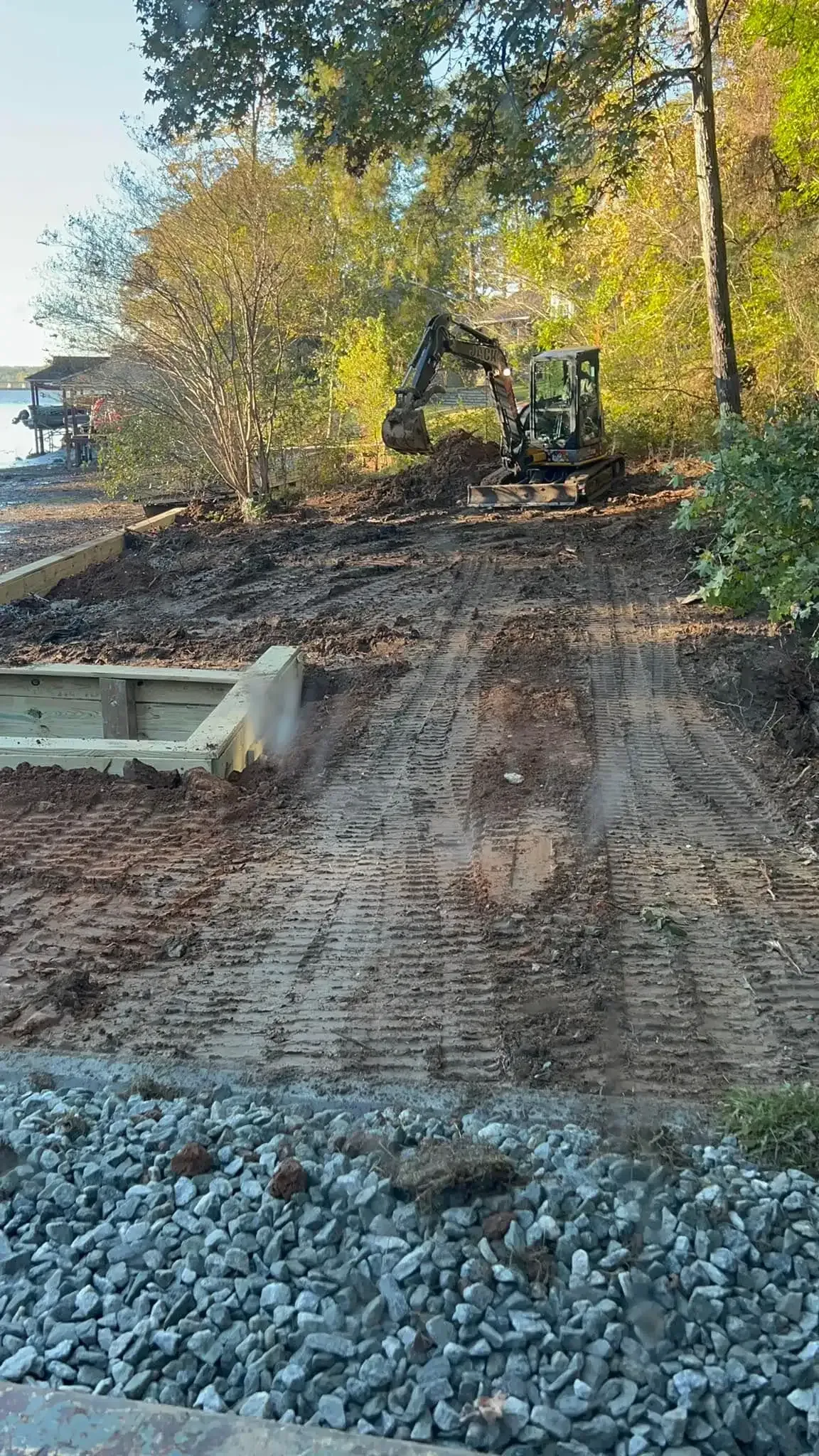
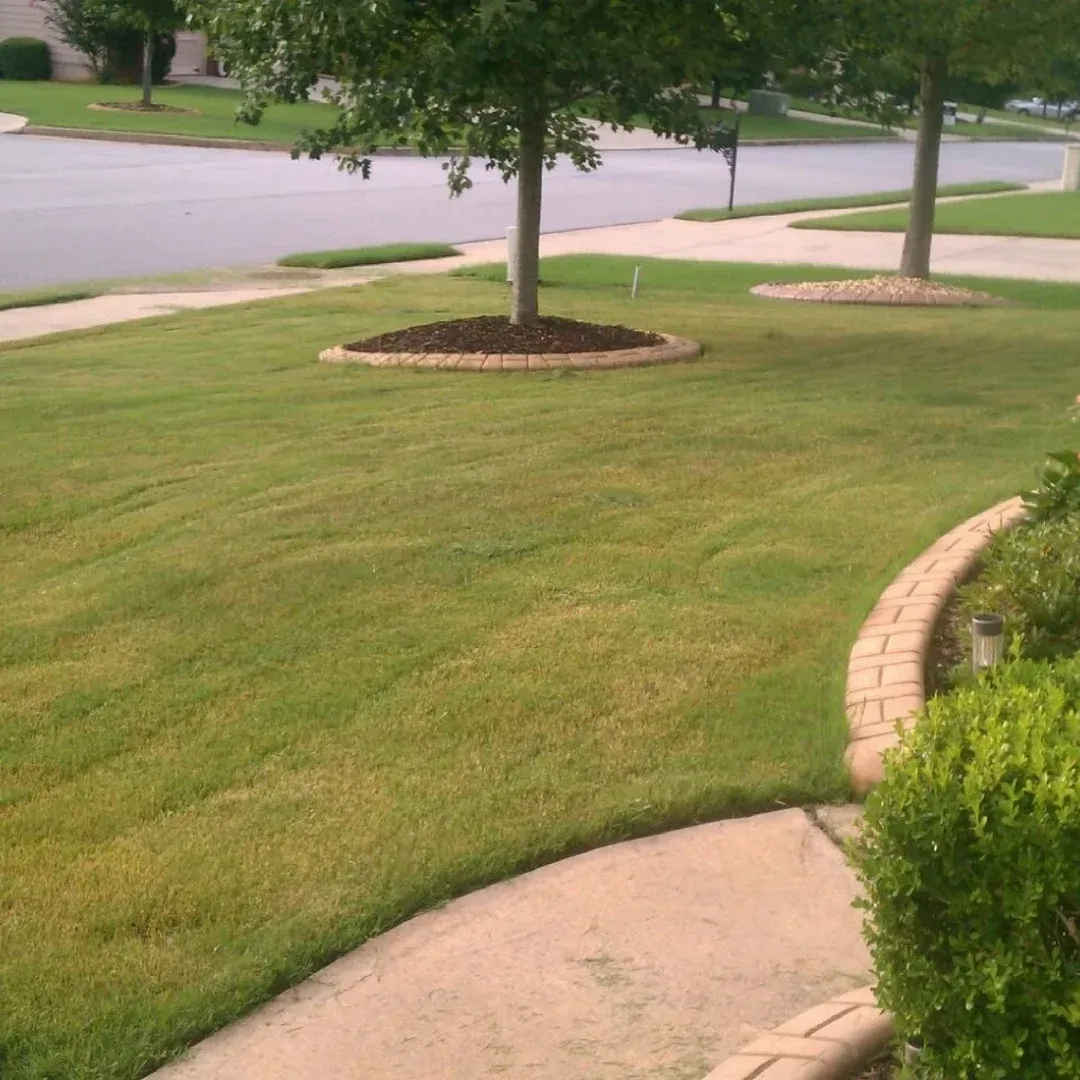
New sod is only as successful as the soil, grading, sunlight, and irrigation beneath it. When those conditions are wrong, even healthy, high-quality sod can thin out, develop dry patches, or fail to establish.
Red clay can become hard during dry periods, then hold water after heavy rain. Construction, mowing, and foot traffic can compact it further, limiting the air, water, and nutrients available to roots.
Before installing sod, use this sequence:
- Watch the yard after rain. Mark puddles, runoff channels, and areas that stay wet longer than the rest of the lawn.
- Test the soil. A test can identify pH and nutrient needs before you add fertilizer or lime.
- Correct the grade or drainage problem. Sod should not be used to cover a low spot that will continue collecting water.
- Loosen compacted soil. Core aeration can improve air and water movement in established turf. New installations may require deeper preparation.
- Match the grass to the site. Sun exposure, shade, traffic, irrigation coverage, and maintenance expectations all matter.
- Confirm irrigation coverage. New sod needs consistent moisture, but too much water can be just as damaging as too little.
The UGA Extension guide to turfgrass soil and aeration explains that compacted clay subsoil can make lawns difficult to establish and that aeration can improve the movement of water, air, and nutrients. Zoysiagrass may perform well on many Georgia properties, but it is not a universal fix for deep shade, poor drainage, or inadequate preparation.
Before fertilizing or installing turf, Muscogee County Extension offers local soil-testing information. Test results provide a better starting point than guessing from the soil’s color or texture.
Our landscaping services include sod installation, lawn improvements, grading-related work, and other upgrades that can address the site instead of simply covering the symptoms. When one part of the yard stays dry while another remains soggy, an irrigation system inspection may also reveal leaks, poor sprinkler coverage, or an inefficient schedule.
What to do now: Test the soil and inspect drainage before ordering sod. A few days of preparation can protect a much larger investment in materials and installation.
4. Native and Site-Adapted Plants Are Replacing Difficult Turf Areas
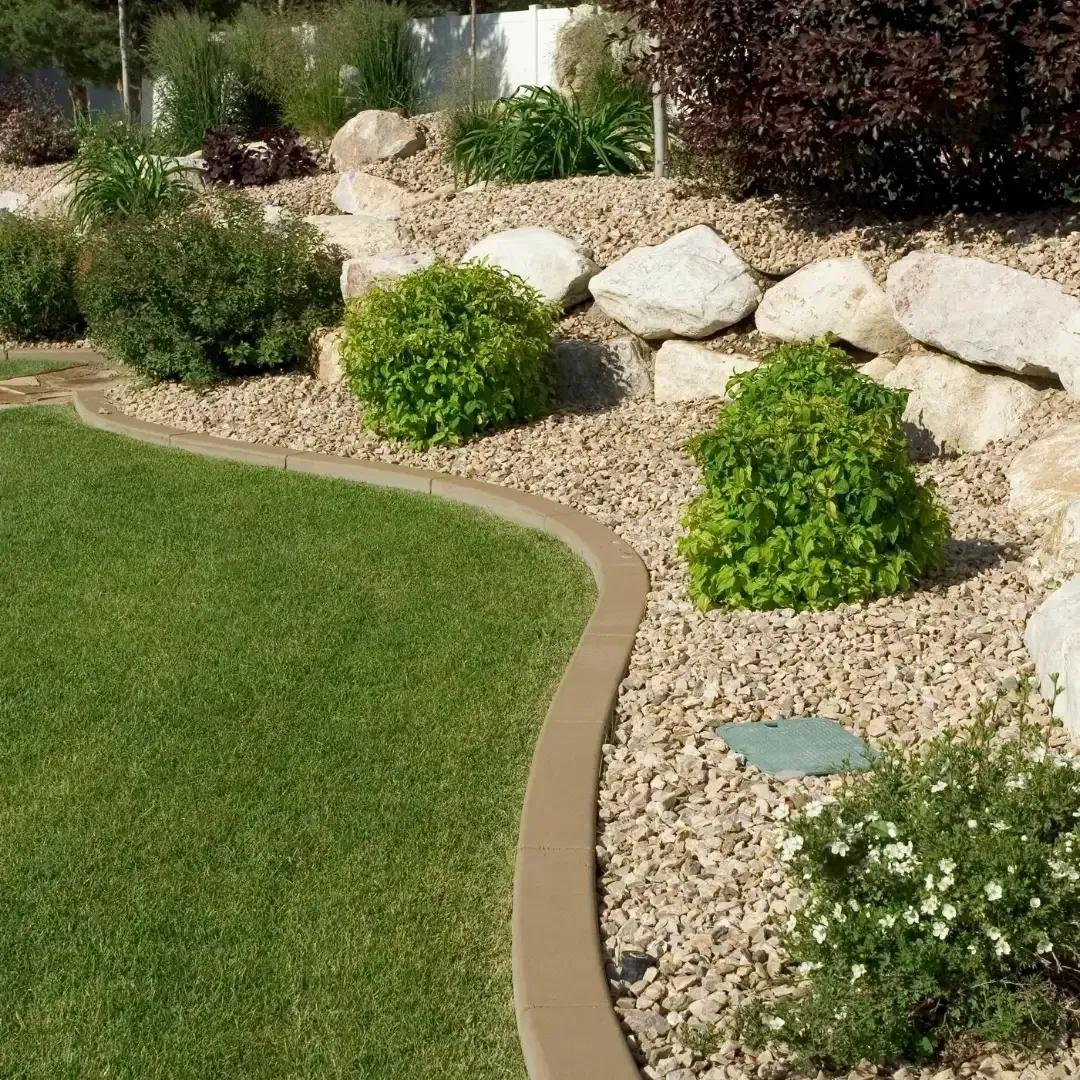
More homeowners are replacing hard-to-mow or high-maintenance turf with native and site-adapted plants. The trend works best when plants are chosen for the exact sunlight, soil, drainage, and mature space available.
Native plants can support birds and pollinators, but they are not automatically maintenance-free or drought-proof. A native plant in the wrong moisture or light conditions can still struggle.
Consider using:
- Eastern red cedar for screening where its mature size fits
- Spicebush in moist areas with partial shade
- Oakleaf hydrangea in filtered light and well-drained soil
- Yaupon holly as an adaptable evergreen shrub
- Native asters, goldenrods, and coneflowers for seasonal color and pollinator activity
The UGA guide to native plants for Georgia landscapes stresses the importance of matching each plant to local soil, climate, moisture, and light. It also notes that newly installed native plants still require supplemental water while they establish.
Start with one problem area. A hard-to-mow strip, dry slope, or shaded corner with thin turf may be a better candidate than lawn used for play.
Our guide to functional, low-maintenance landscape design can help you plan around walkways, views, drainage, maintenance, and the way your family uses the property.
What to do now: Choose one difficult area, record its sunlight and drainage conditions, and select plants that fit the site at their mature size.
Your 2026 Columbus Yard-Care Checklist
These trends point to one practical lesson: inspect first, correct the cause, and then invest in treatment, pruning, sod, or plants.
- Check crape myrtle bark for white scale, sticky honeydew, and sooty mold.
- Look above the roof and driveway for cracked, dead, or hanging limbs.
- Walk the yard after heavy rain and mark puddles or erosion.
- Test the soil before applying lime, fertilizer, or installing sod.
- Check irrigation coverage instead of simply increasing watering time.
- Replace one difficult turf area with plants suited to its conditions.
- Schedule nonemergency pruning before the next severe weather event.
Thoughtful improvements can support curb appeal and how buyers view a property. Learn more about
how trees and landscaping can affect property value in Columbus, GA.
FAQs About 2026 Yard and Tree Care Trends
What are the first signs of crape myrtle bark scale?
Look for white or gray felt-like spots on the trunk and branches. Sticky honeydew, ants, and black sooty mold are also common clues, but a professional inspection can confirm whether bark scale or another insect is causing the problem.
How far should tree branches be from my roof?
There is no single clearance distance that is right for every tree and home. Pest-management sources commonly recommend cutting back limbs near the roof, but safe pruning should also account for tree structure, branch size, species, and the amount of canopy being removed.
Why does new sod fail in some Columbus yards?
Sod often struggles when compacted soil, poor grading, shade, drainage problems, or uneven irrigation are not corrected first. Soil preparation and site-matched grass selection are usually more effective than adding extra fertilizer or water after the lawn begins declining.
Do native plants need irrigation?
Yes. Newly planted native species need consistent water while their roots establish. Once established in a suitable site, many may need less supplemental care than poorly adapted plants, but native does not mean drought-proof.
Does Residential Tree Service and Landscape handle both tree care and landscaping?
Yes. We provide residential tree care, landscaping, sod installation, lawn maintenance, irrigation, land clearing, stump work, and emergency tree services in Columbus, GA. Review our complete residential services to find the right starting point for your property.
Schedule a Free Estimate in Columbus, GA
Your yard should be safe, attractive, and manageable through every season. When you need pruning, tree removal, storm cleanup, landscaping, irrigation work, or another property improvement, Residential Tree Service and Landscape can recommend a practical next step based on your site.
Call
(706) 681-3582 to request a free estimate for
tree services in Columbus, GA.
Recent Posts