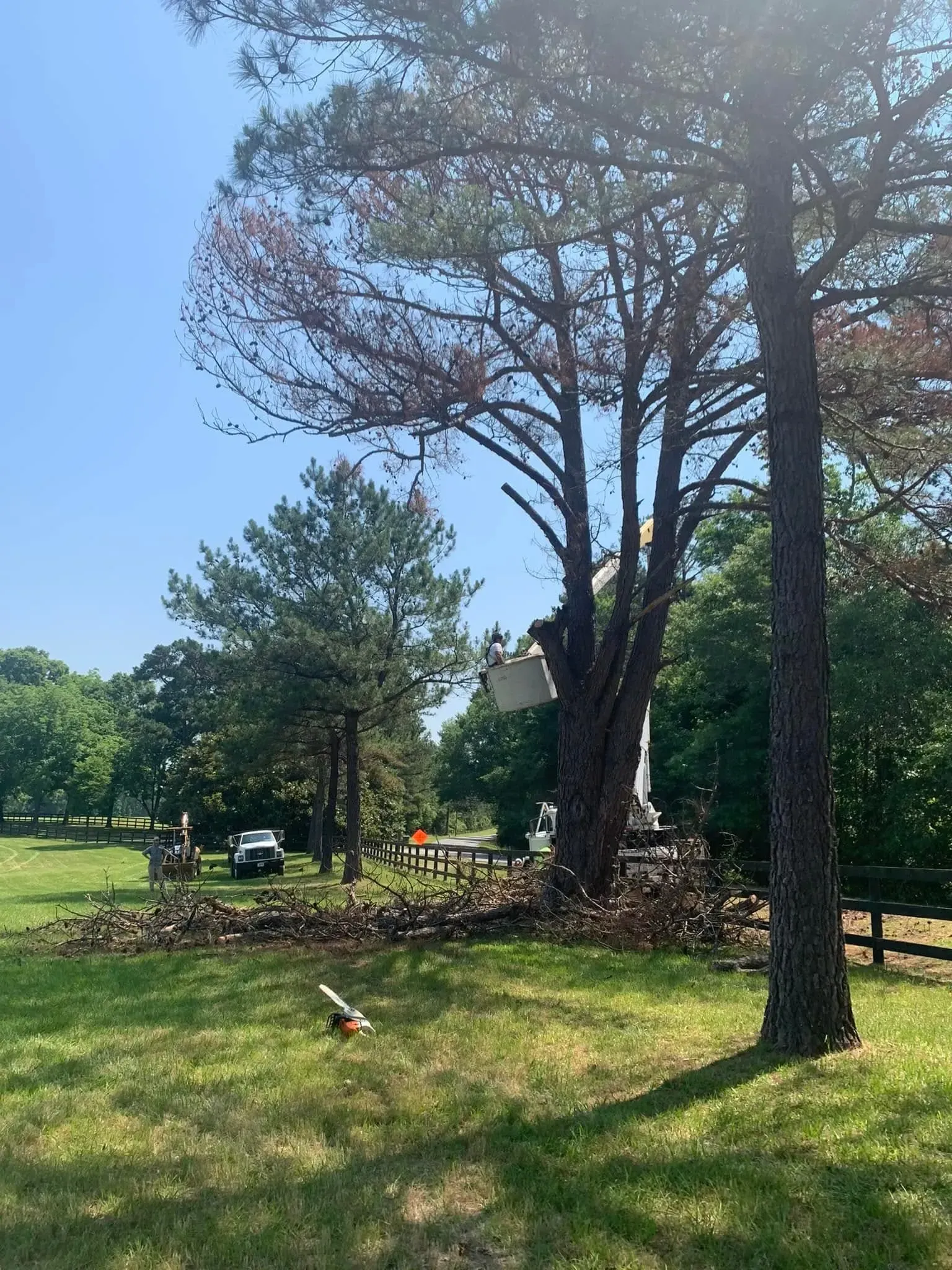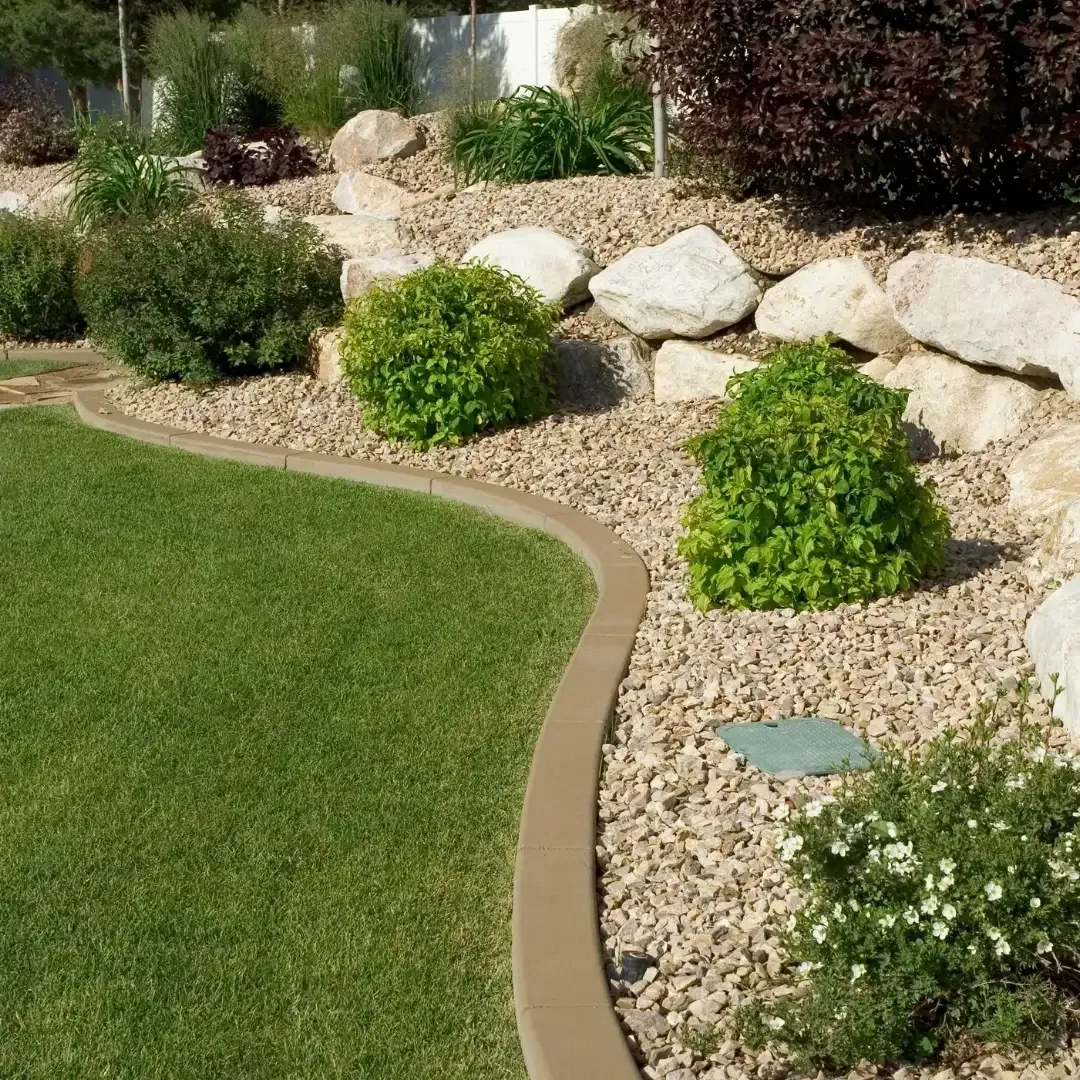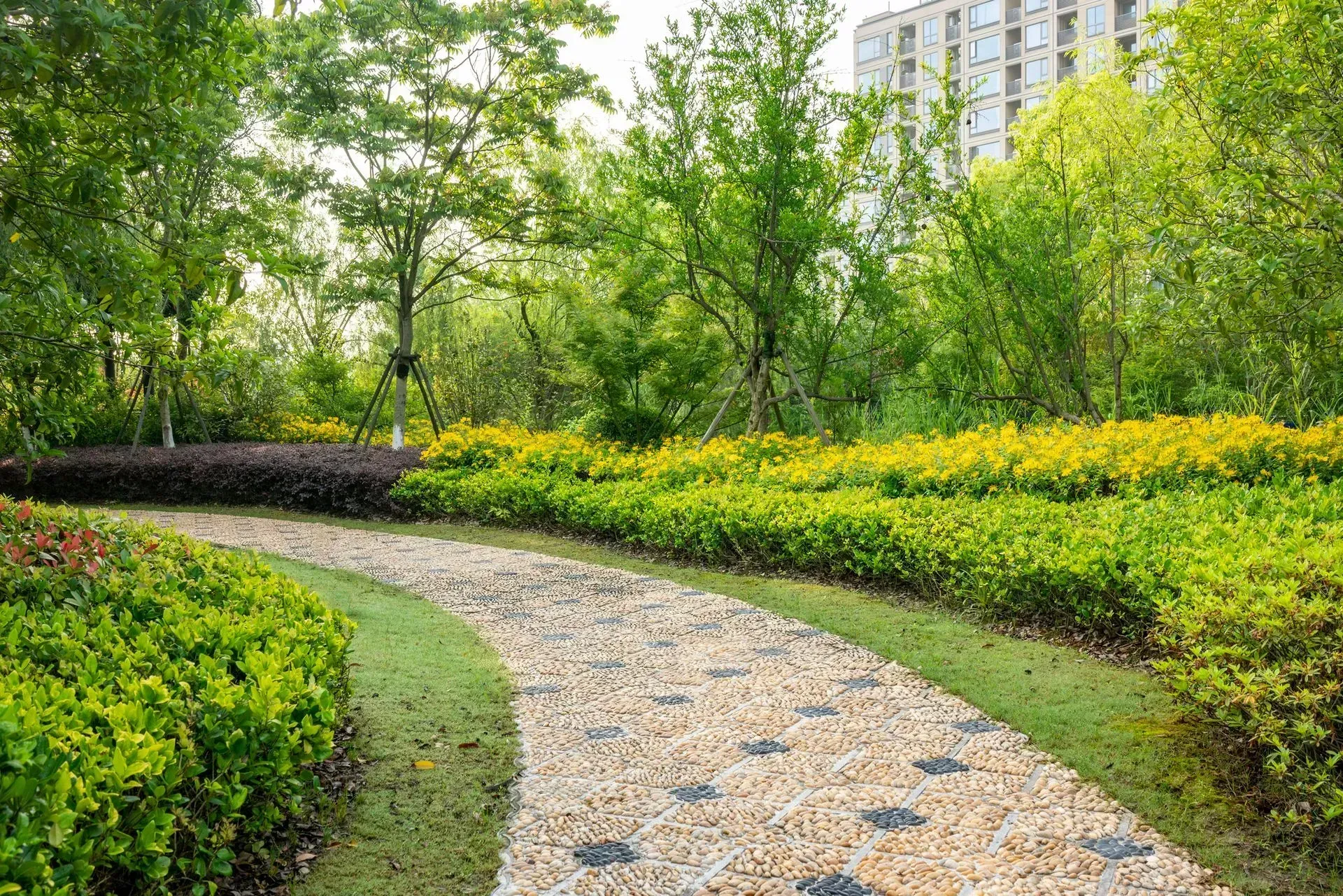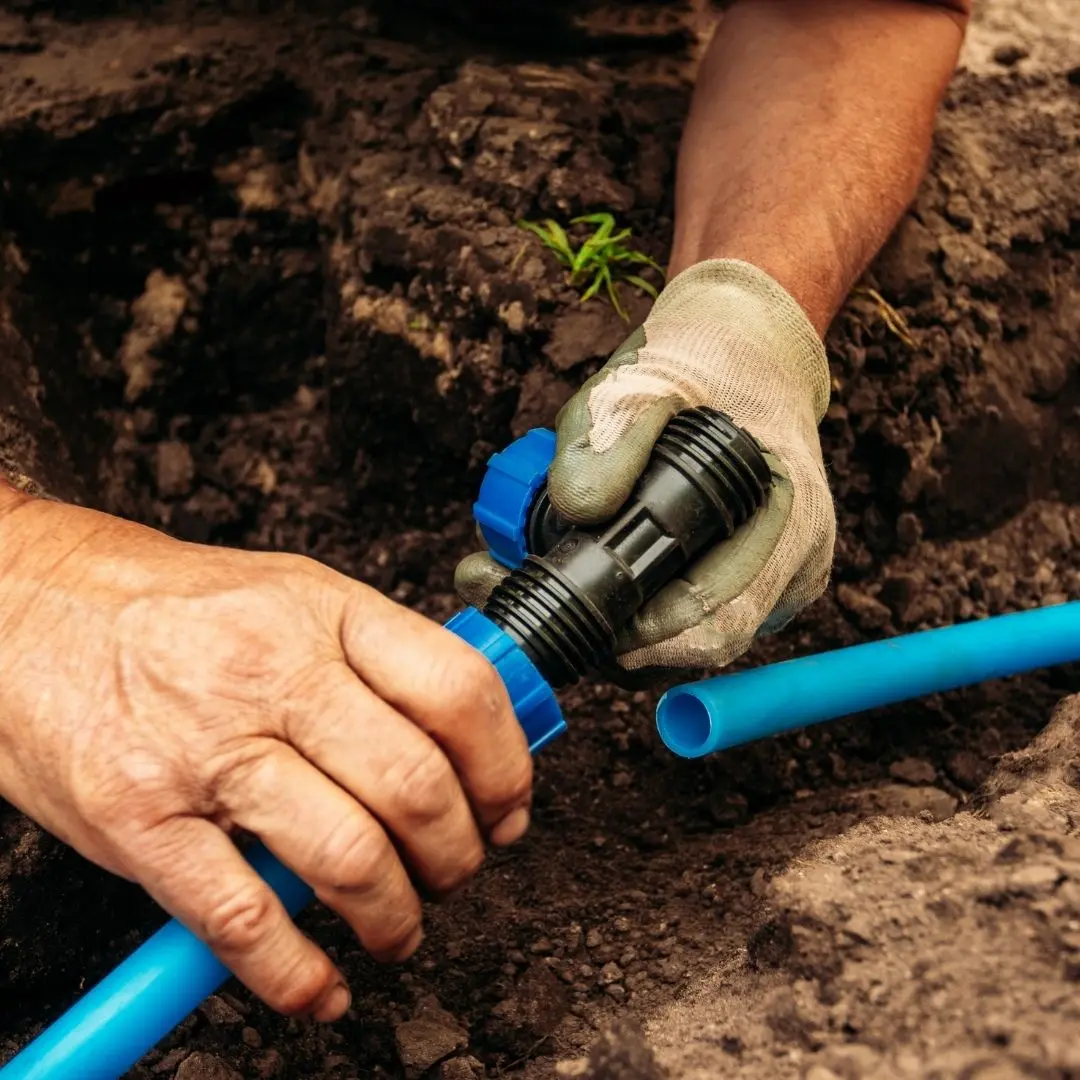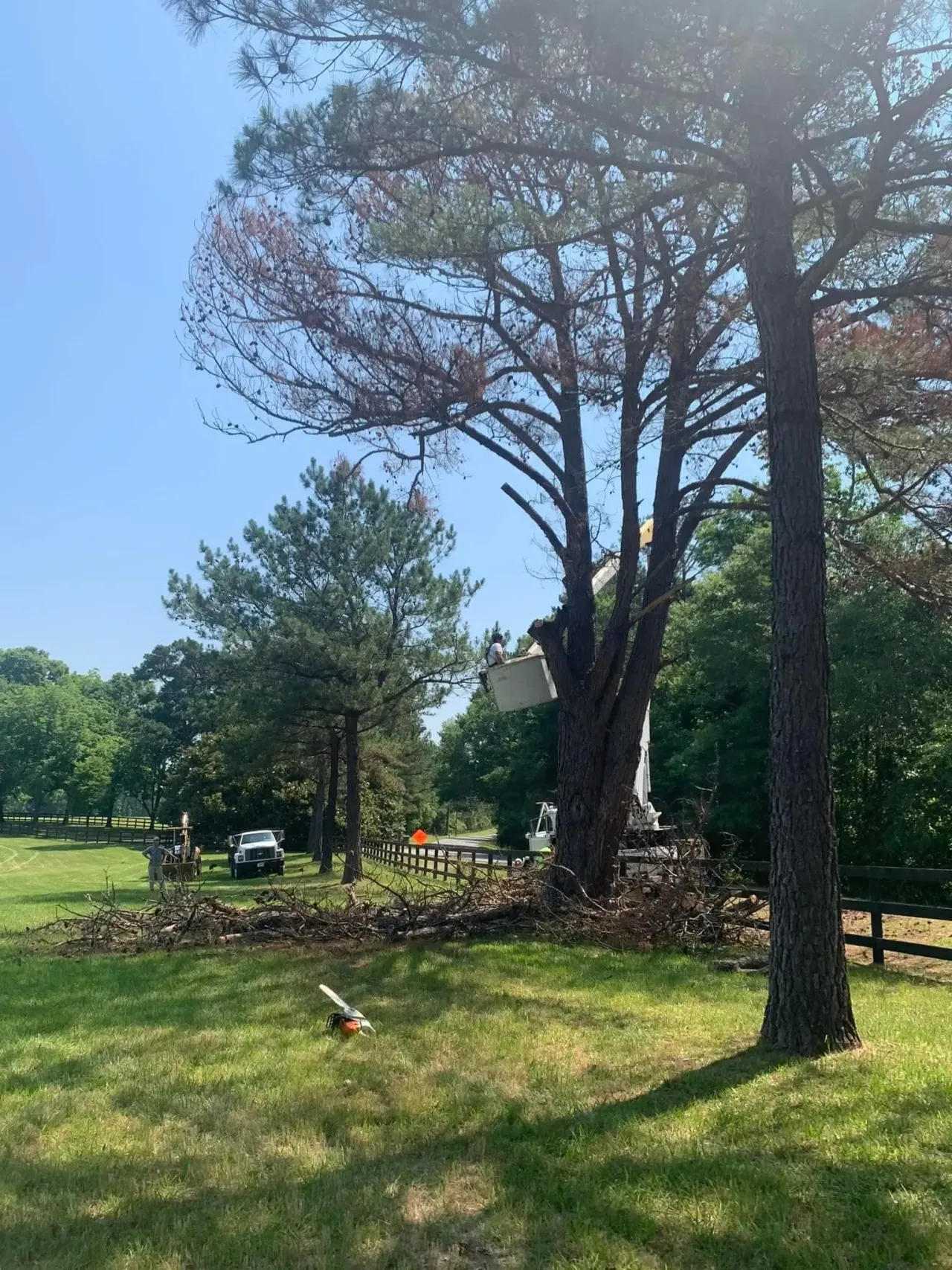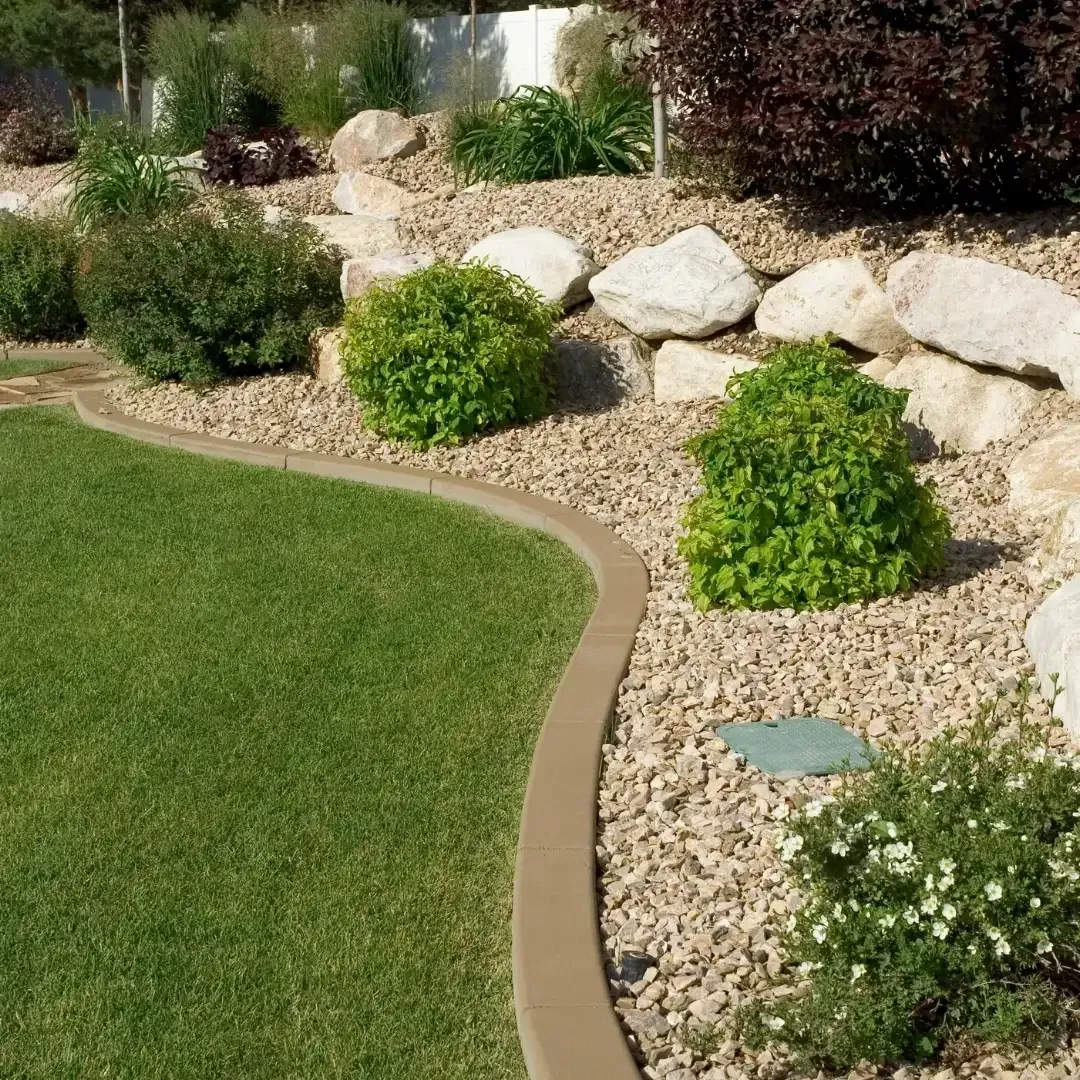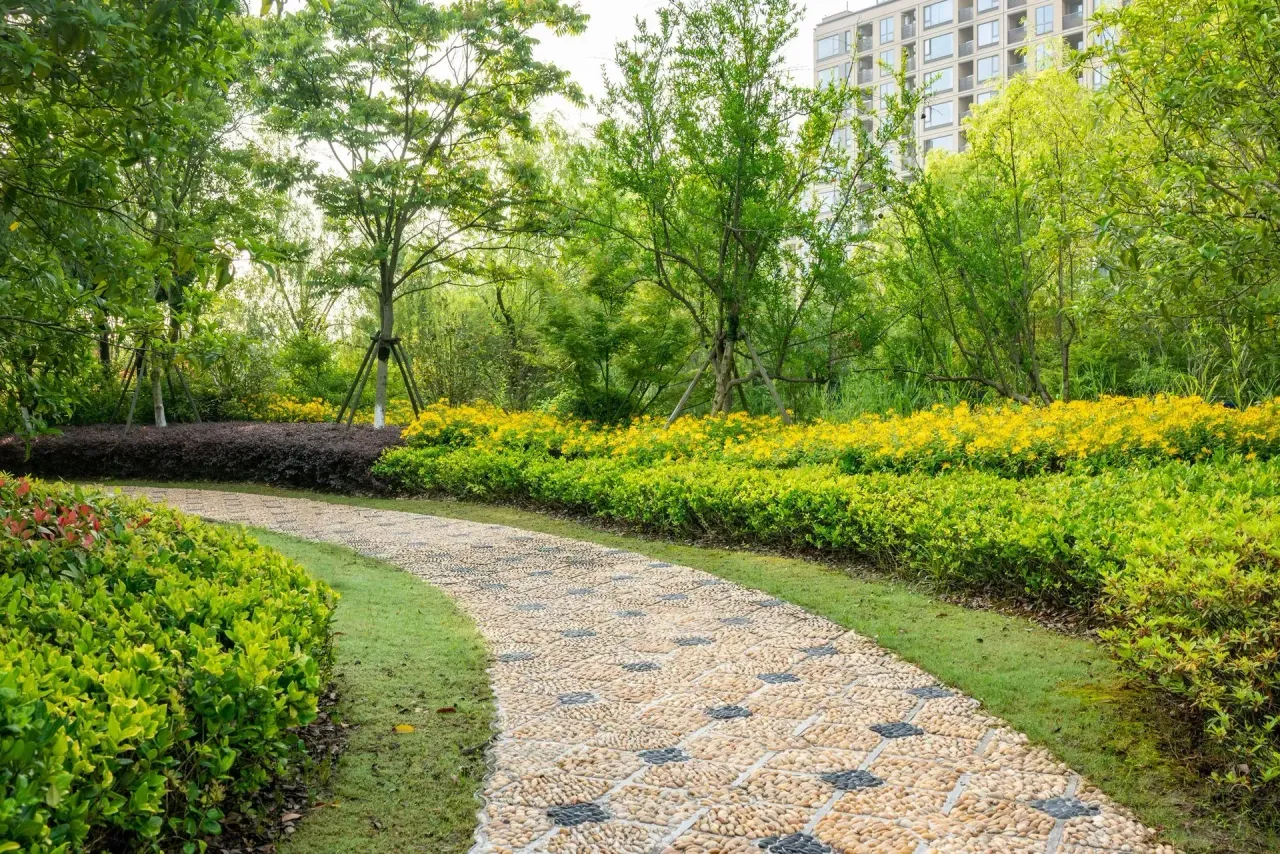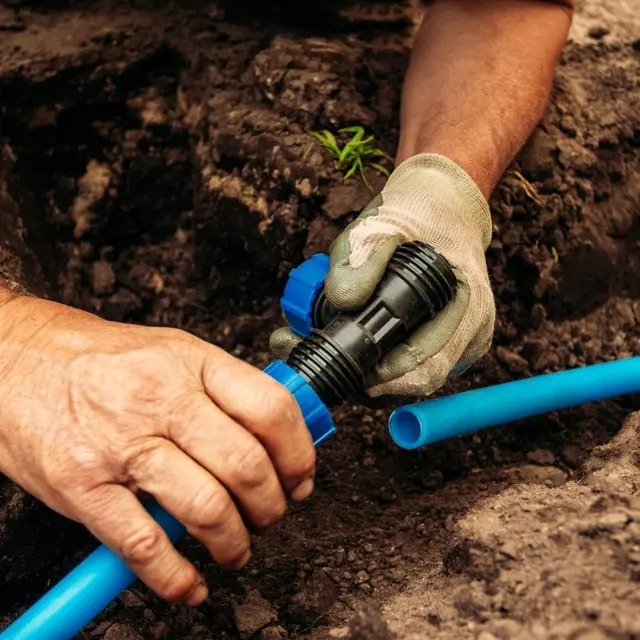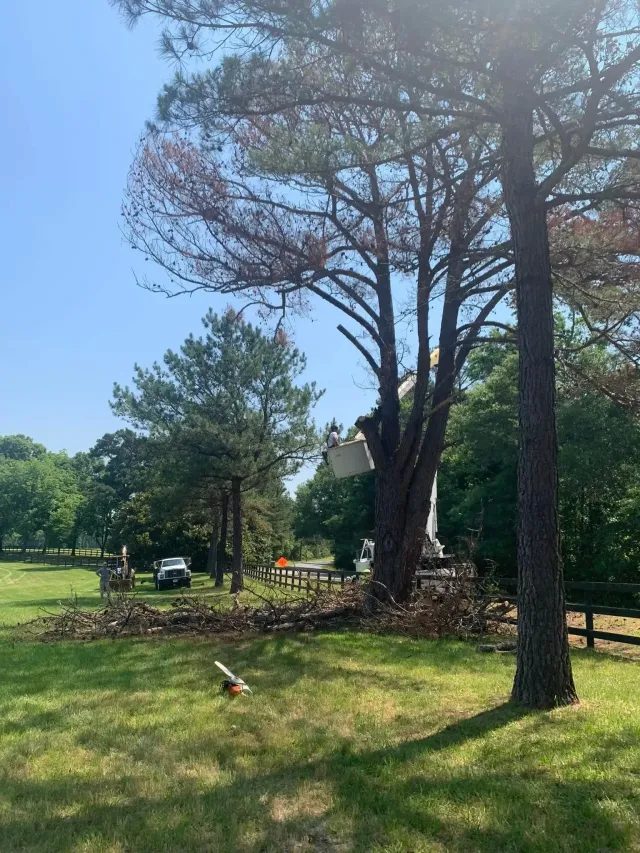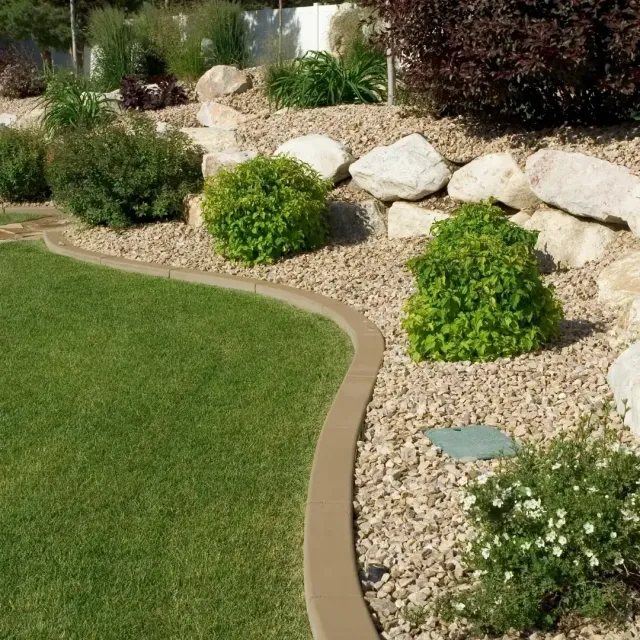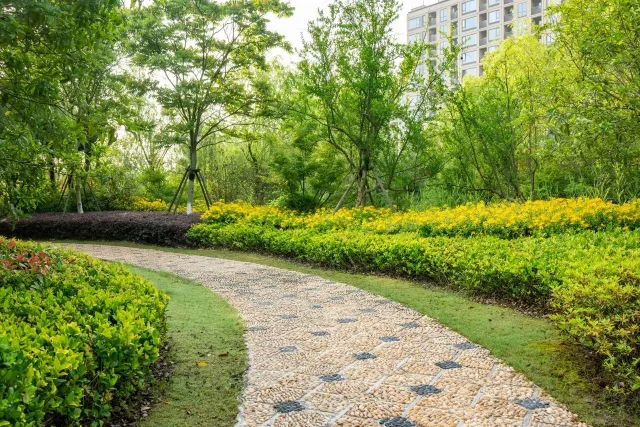


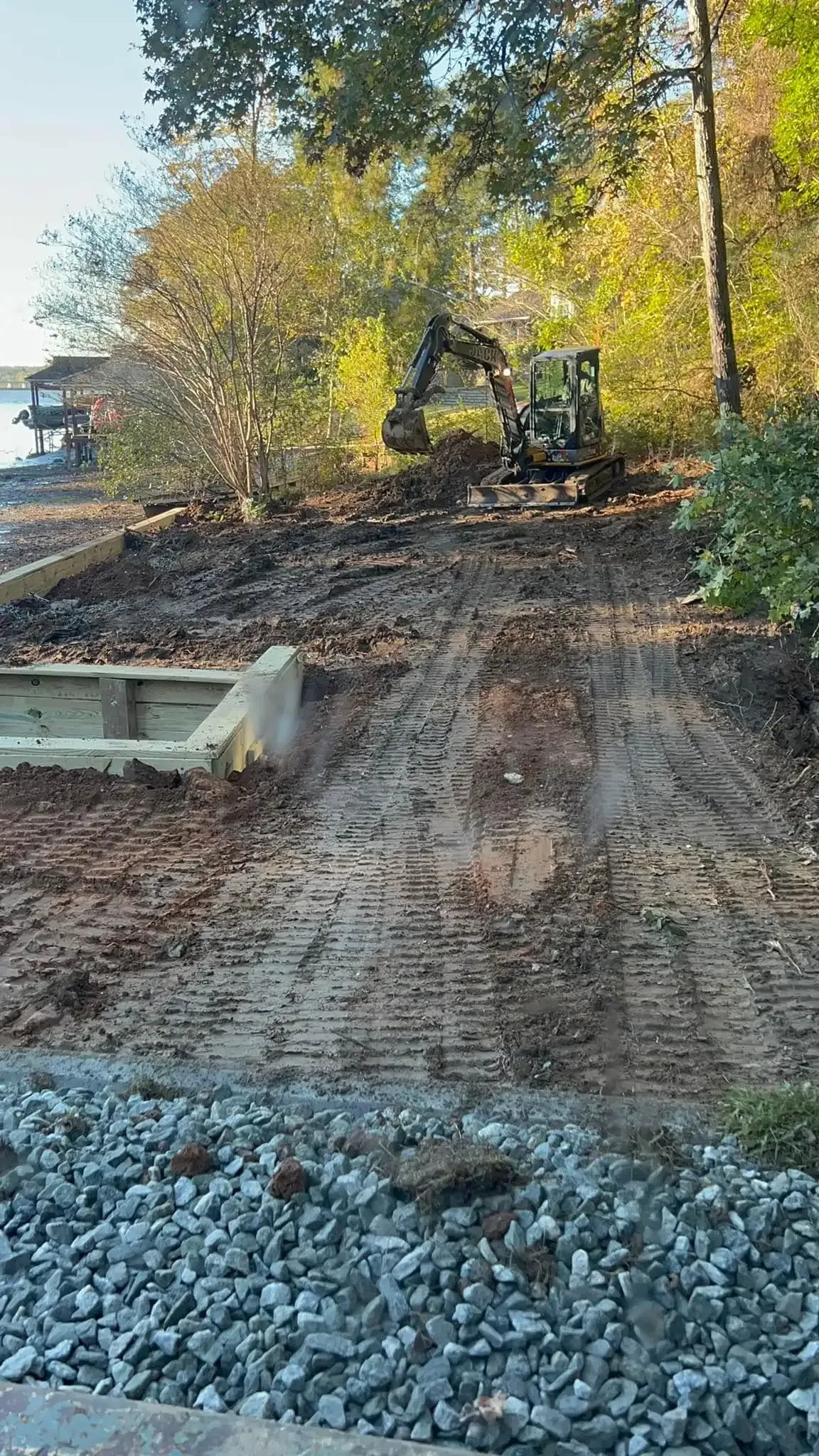
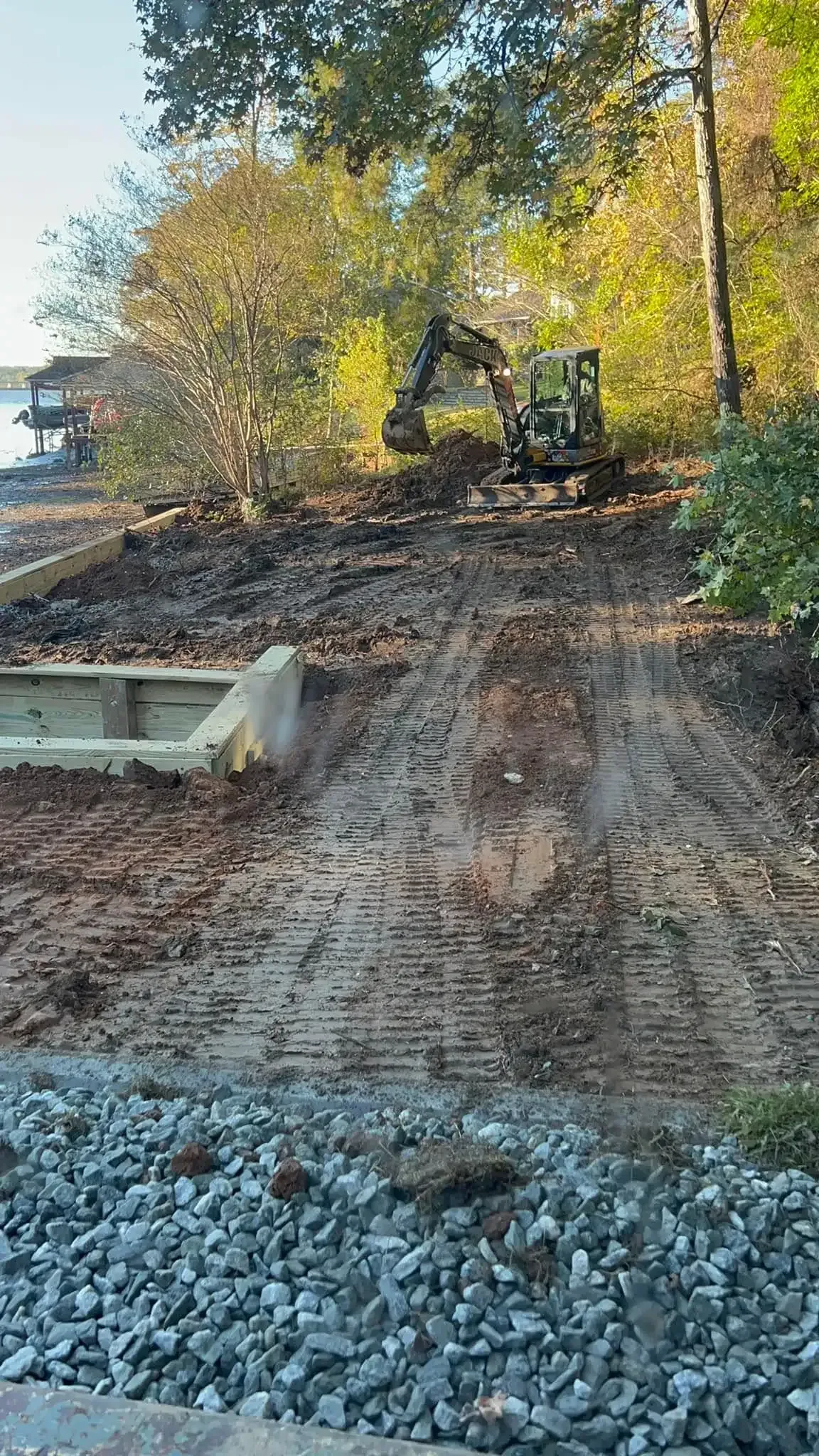
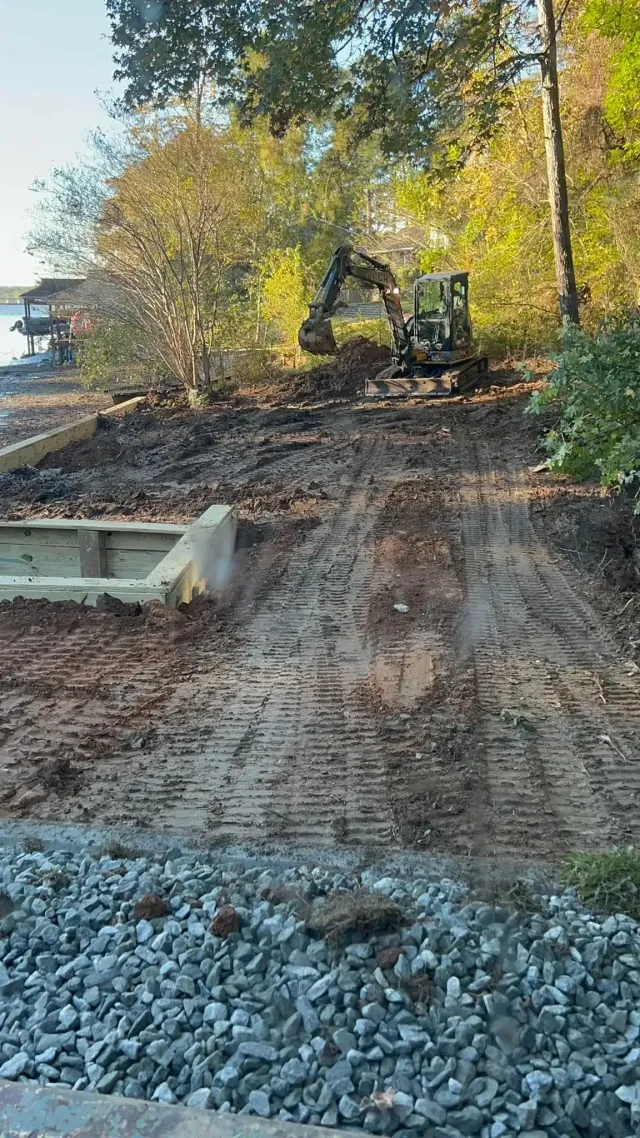
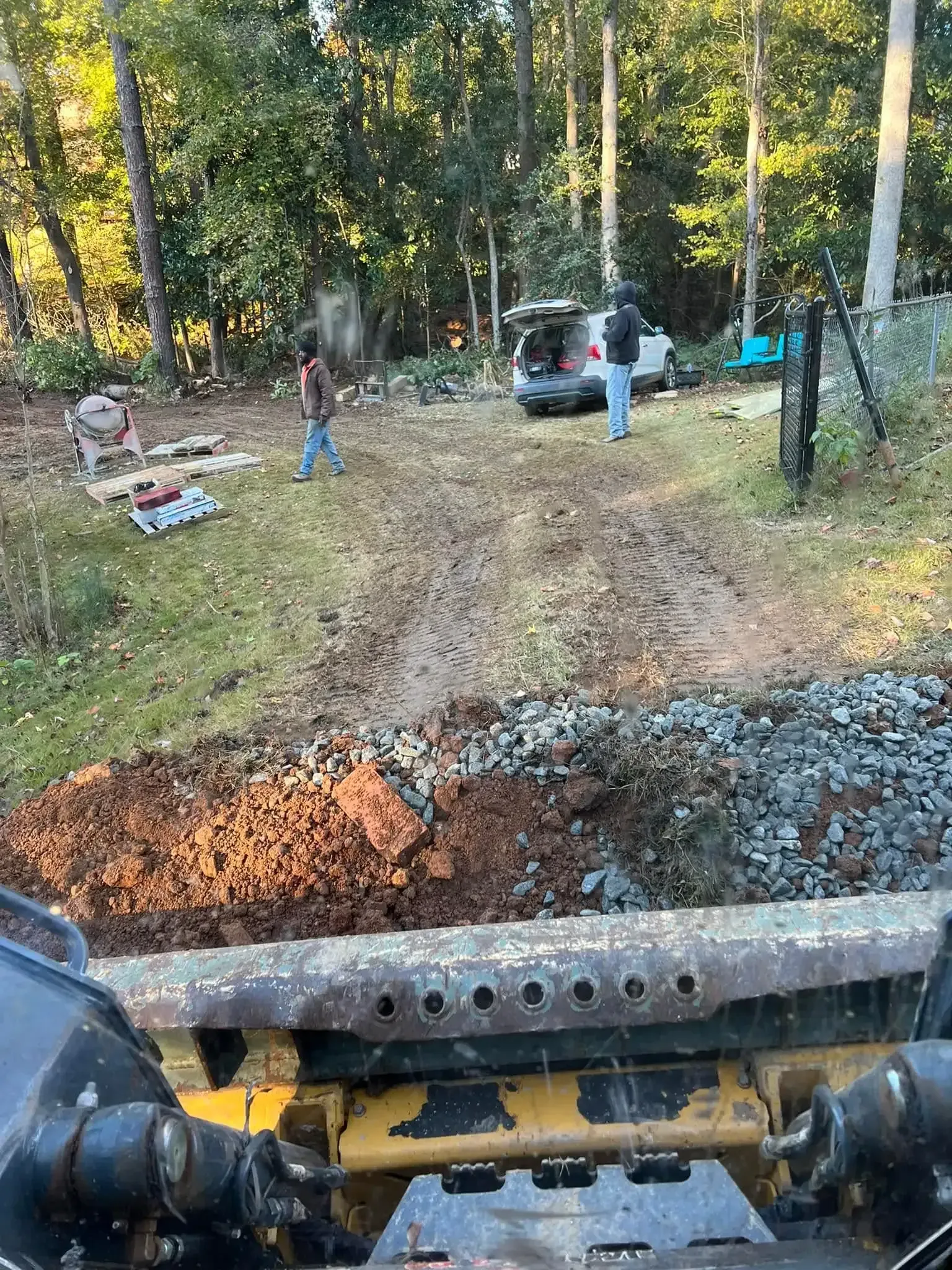
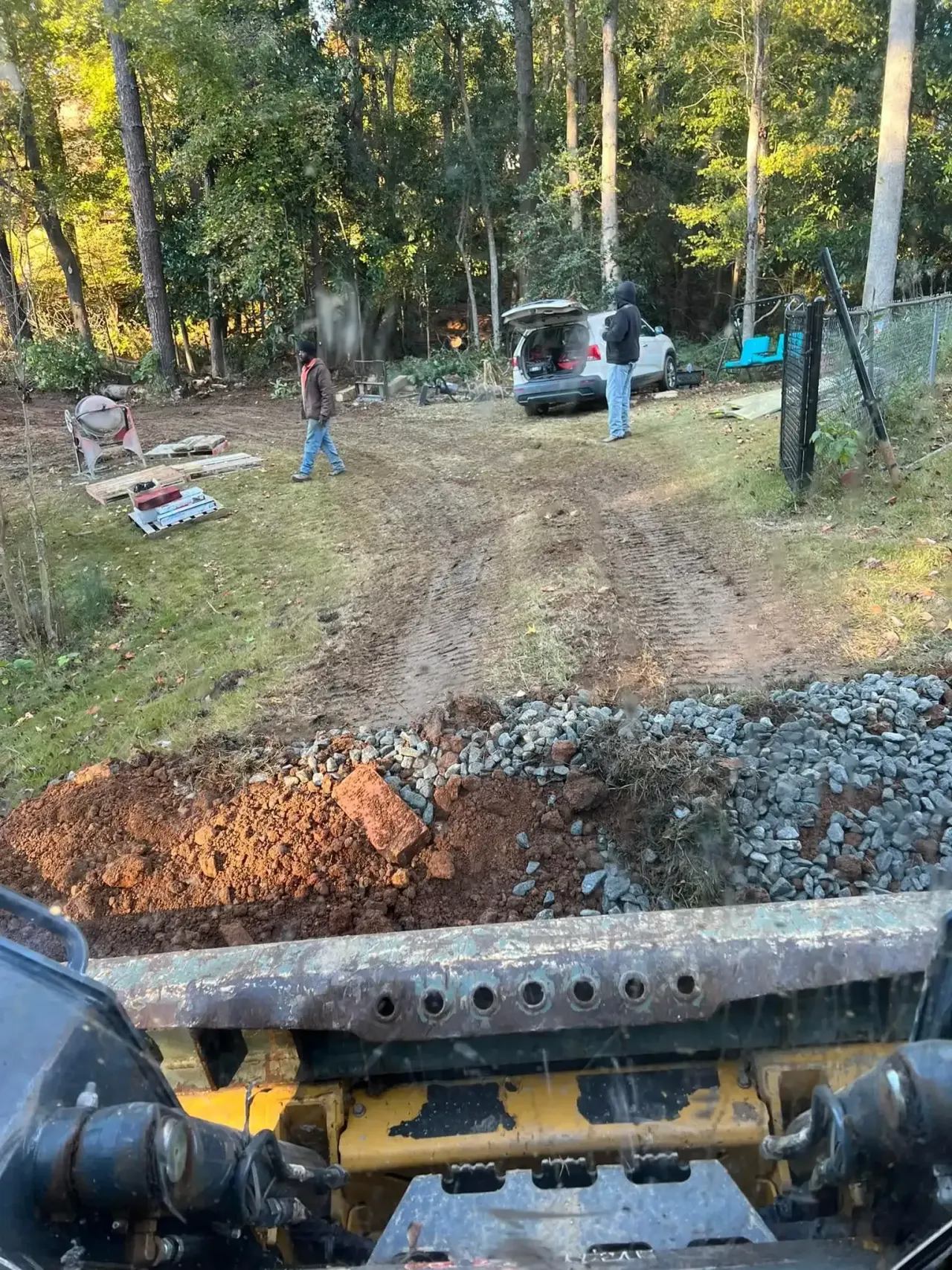
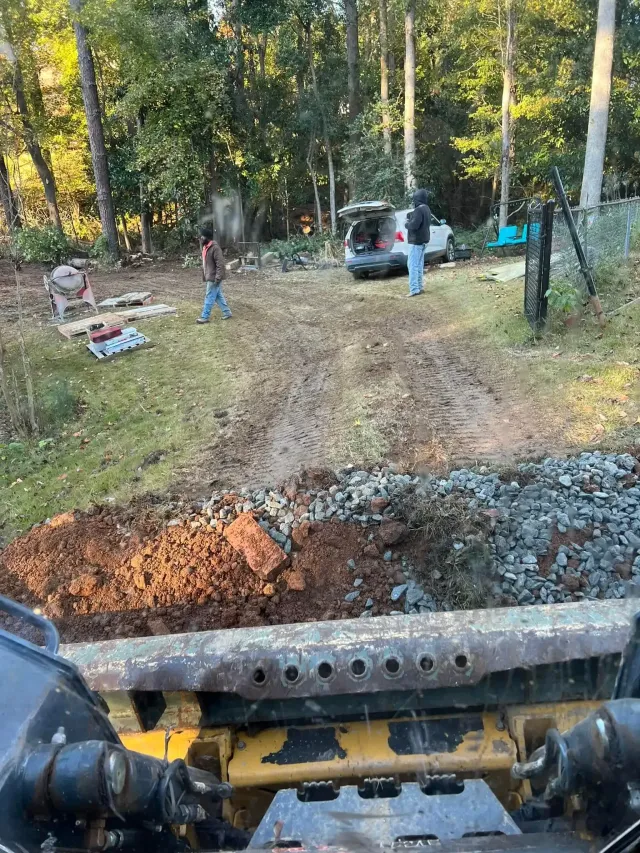

An overgrown section of your property is more than an eyesore. With a clear plan, professional land clearing services in Columbus, GA can turn unused land into a lawn, outdoor living area, garden, access route, construction site, or easier-to-maintain natural space.
The goal is not always to remove everything. Effective land clearing focuses on what you want the property to become, then removes the brush, invasive growth, hazardous trees, stumps, and debris that stand in the way.
Residential Tree Service and Landscape provides
land clearing for residential and commercial properties, along with tree care, landscaping, and site preparation. We use professional equipment, controlled clearing methods, and cleanup options based on the project scope.
Why Columbus Properties May Need Land Clearing
Professional land clearing helps you regain access, uncover hidden hazards, and prepare an overgrown area for a practical new use. In Columbus, long growing seasons, humid conditions, and fast-moving vegetation can make neglected sections of a property difficult to manage.
Kudzu, Chinese privet, Japanese honeysuckle, and other invasive plants can spread along fence lines, climb established trees, and crowd out more desirable vegetation. University of Georgia Extension guidance on invasive plants recommends identifying the plant before choosing a control method because some invasive species quickly return after simple cutting.
Dense vegetation can also hide problems that you need to address, including:
- Dead or leaning trees
- Fallen limbs and concealed stumps
- Damaged fencing
- Washouts or eroded soil
- Pest activity
- Dumped materials or construction debris
- Uneven ground that makes mowing unsafe
- Drainage problems that are difficult to identify or correct
Clearing these areas gives you a better view of the property and helps you decide what should happen next. It can also create a safer maintenance zone around your home, driveway, outbuildings, or commercial structures.
Land clearing should support a larger property plan. Our guide to
how trees and landscaping affect property value explains why planned improvements usually provide more long-term value than leaving a lot completely bare.
What Professional Land Clearing Involves
Professional land clearing is a planned process that removes unwanted vegetation while protecting the trees and features you want to keep. The work may range from cutting back a small section of brush to preparing an entire lot for construction or landscaping.
A typical project may include the following steps:
- Property Assessment: We review vegetation density, tree condition, terrain, drainage, structures, equipment access, and the intended use of the land.
- Marking Features to Preserve: Healthy trees, natural buffers, property-line vegetation, or useful shade areas can be identified before clearing begins.
- Selective Vegetation Removal: Crews target invasive plants, dense brush, damaged trees, low limbs, or growth that blocks the property’s intended use.
- Tree and Stump Work: Trees may need removal when they are hazardous or interfere with the plan. Stumps can be ground below grade or fully extracted, depending on what will be built or planted.
- Debris Processing and Cleanup: Brush and woody material may be chipped, hauled away, or processed onsite when appropriate. The exact cleanup method should be included in the project scope.
- Grading or Site Preparation: Some properties need light grading, soil preparation, erosion control, or drainage work before landscaping or construction begins.
Heavy equipment can compact soil and damage roots when it repeatedly crosses beneath trees you intend to save. UGA Extension guidance on construction damage to trees recommends
protecting root zones from equipment traffic, trenching, and stored materials.
Choose the Right Land Clearing Scope
The right clearing scope removes what prevents you from using the property without causing unnecessary disturbance. A small backyard reclamation does not require the same approach as preparing a large commercial parcel.
| Clearing Level | Best Suited For | Typical Work |
|---|---|---|
| Light clearing | Fence lines, pathways, small yard sections, and maintenance access | Brush cutting, vine removal, low-limb trimming, and debris cleanup |
| Moderate or selective clearing | Reclaiming a backyard, side yard, or wooded edge while preserving mature trees | Targeted tree removal, stump grinding, invasive plant removal, and limited grading |
| Full-site clearing | Construction, major landscape redesign, new access, or development | Tree and stump removal, dense vegetation clearing, debris handling, grading, and site preparation |
For many Columbus homeowners, selective clearing provides the best balance by opening an area for a new use while preserving shade, privacy, and healthy trees around the property. For example, you may want to remove brush, vines, and several declining trees from the back third of your lot while keeping mature trees along the boundary. This creates usable space without exposing the entire yard or removing valuable shade.
You can review our residential tree and landscaping services for projects around homes, fences, driveways, play areas, and outdoor living spaces.
Larger properties often require additional planning for equipment routes, staging, access, and coordination with other contractors. Our
commercial services support businesses, property managers, and larger project sites.
Plan Before Clearing Begins
A successful land clearing project starts with the intended result. Defining what the space will become helps prevent unnecessary removal and allows the clearing work to support the next phase.
Use these steps to plan your project:
- Choose the final use: Decide whether the area will become a lawn, garden, patio, driveway, play space, building site, maintained woodland, or access route. The final use affects which trees and stumps must be removed.
- Identify what should stay: Mark healthy trees, screening vegetation, property boundaries, existing landscape features, and any areas that should remain undisturbed.
- Locate underground utilities: Contact Georgia 811 before mechanized digging so participating utility companies can mark underground lines before excavation, stump removal, or grading begins.
- Check local permit requirements: Columbus Consolidated Government states that a minor land disturbance permit may apply to certain projects disturbing less than 5,000 square feet, including some residential clearing projects under one acre. Requirements are evaluated by project, so confirm what applies before significant clearing or grading.
- Plan for drainage and erosion: Removing vegetation exposes soil. Decide how water will move through the site and how disturbed ground will be stabilized with mulch, seed, sod, erosion-control material, or new landscaping.
- Coordinate the next contractor or service: Try to schedule landscaping, grading, irrigation, fencing, hardscaping, or construction soon after clearing. This reduces the time that bare soil remains exposed and helps prevent unwanted growth from returning.
Your 2026 Columbus Yard-Care Checklist
Cleared land becomes valuable when it serves a clear purpose. Before choosing plants or materials,
consider how you want to use the space and how much maintenance you can realistically manage.
Common options include:
- A level lawn or open play area
- A shaded seating area under preserved trees
- A gravel or stone walking path
- A patio, fire pit area, or outdoor kitchen site
- A vegetable or herb garden with improved sunlight
- Native planting beds or a pollinator garden
- A fenced area for children or pets
- Better access to a shed, garage, or outbuilding
- A driveway extension or equipment route
- A maintained buffer between buildings and unmanaged vegetation
Clearing also makes it
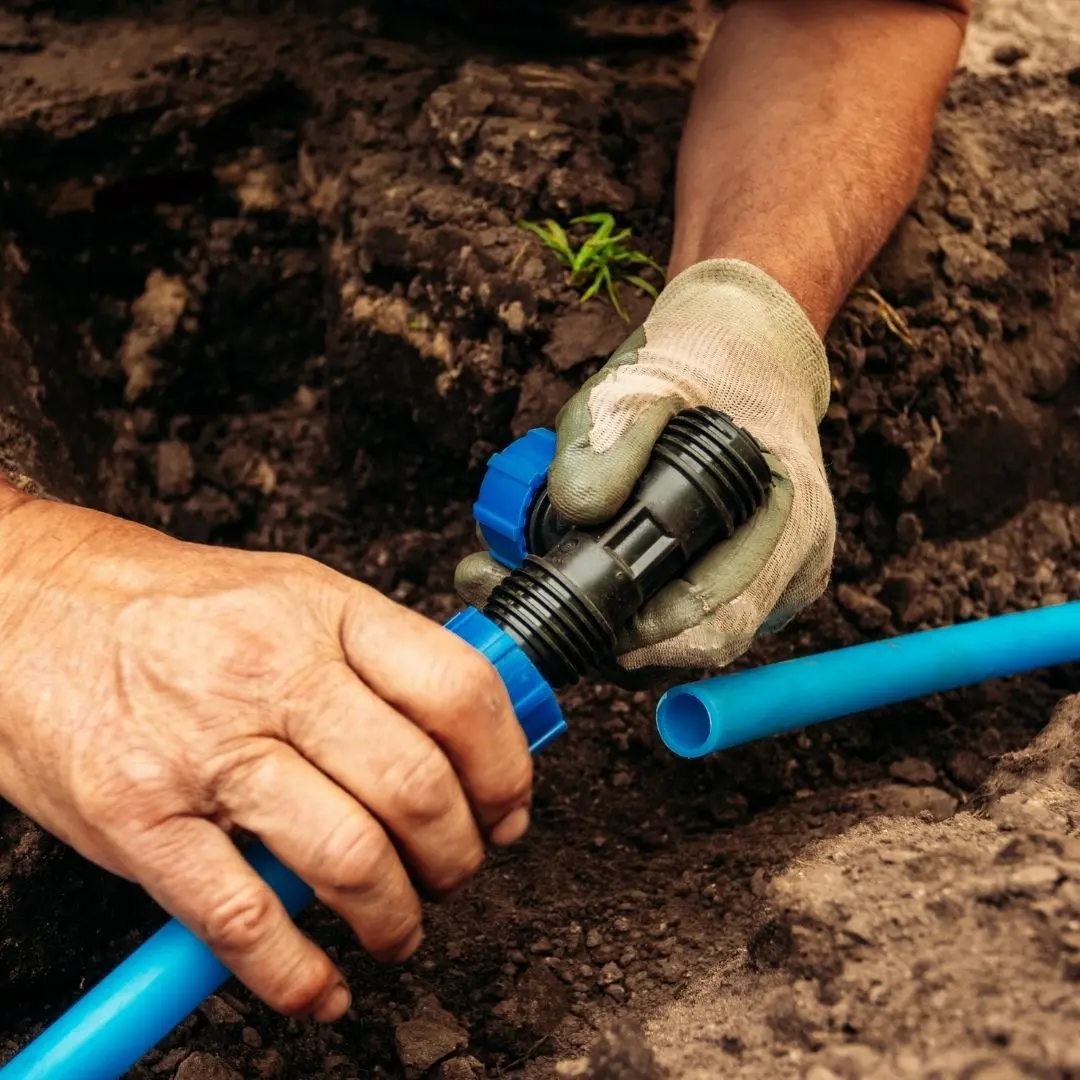
easier to coordinate grading and irrigation before new landscaping goes in. However, do not rush directly into planting. The property may first need
soil testing, additional topsoil, drainage improvements, erosion control, or amendments.

Our overview of tree and landscaping services can help you coordinate tree work, clearing, and the next stage of your outdoor project.
You can also review our
2026 yard and tree care trends for Columbus for practical ideas on maintaining a newly improved landscape.
Signs Your Property Needs Land Clearing
You should schedule an assessment when overgrowth prevents safe access, conceals hazards, or delays a planned property improvement. Addressing the problem before vegetation becomes thicker can make the project easier to evaluate and complete.
Watch for these warning signs:
- You cannot safely walk through or mow part of the property.
- Brush blocks access to a fence, drainage area, shed, or utility connection.
- Vines are climbing trees, siding, roofs, fences, or outbuildings.
- Dead or leaning trees are hidden within dense growth.
- Stumps, fallen limbs, or dumped debris create trip hazards.
- Invasive plants quickly return after repeated cutting.
- Overgrowth prevents you from inspecting erosion or standing-water problems.
- You are preparing the property for landscaping, construction, fencing, or sale.
- Large sections of the yard no longer serve any practical purpose.
Do not wait for a hidden tree or stump to create an emergency. A professional assessment can help you separate routine brush clearing from work that requires tree removal, stump grinding, grading, or specialized equipment.
FAQs About Land Clearing in Columbus
How long does a residential land clearing project take?
The timeline depends on the size of the area, vegetation density, tree size, terrain, weather, debris handling, and equipment access. A site assessment provides a more reliable schedule than a fixed estimate based only on acreage.
Will land clearing damage healthy trees?
Selective clearing is designed to preserve healthy trees when protection measures are planned before work begins. Trees should be clearly marked, and equipment routes should avoid unnecessary traffic over their root zones.
Do I need a permit for land clearing in Columbus, GA?
You may need one depending on the amount of soil disturbed, the project location, drainage concerns, and the type of work involved. Confirm current requirements with Columbus Consolidated Government before significant clearing or grading.
What is the best time of year to clear land?
The best time depends on ground conditions, weather, equipment access, and what you plan to do after clearing. Cooler months may improve visibility through brush, but saturated soil can delay heavy equipment and increase the risk of rutting or compaction.
Can I landscape immediately after clearing?
Often, but the site may first need stump grinding, grading, soil improvement, drainage correction, or erosion control. Planning the landscape before clearing helps ensure that the finished site is ready for the next phase.
Reclaim Your Property With Professional Land Clearing
Overgrown land can become useful again when clearing is planned around a specific landscaping, access, or construction goal. We help Columbus property owners choose the appropriate scope, preserve valuable trees, remove unwanted growth, and prepare the land for what comes next.
Call
Residential Tree Service and Landscape at
(706) 681-3582 to request a free estimate for land clearing services in Columbus, GA.