


Emergency Tree Removal Service in Columbus, GA: Fall Storm Safety

Share this article

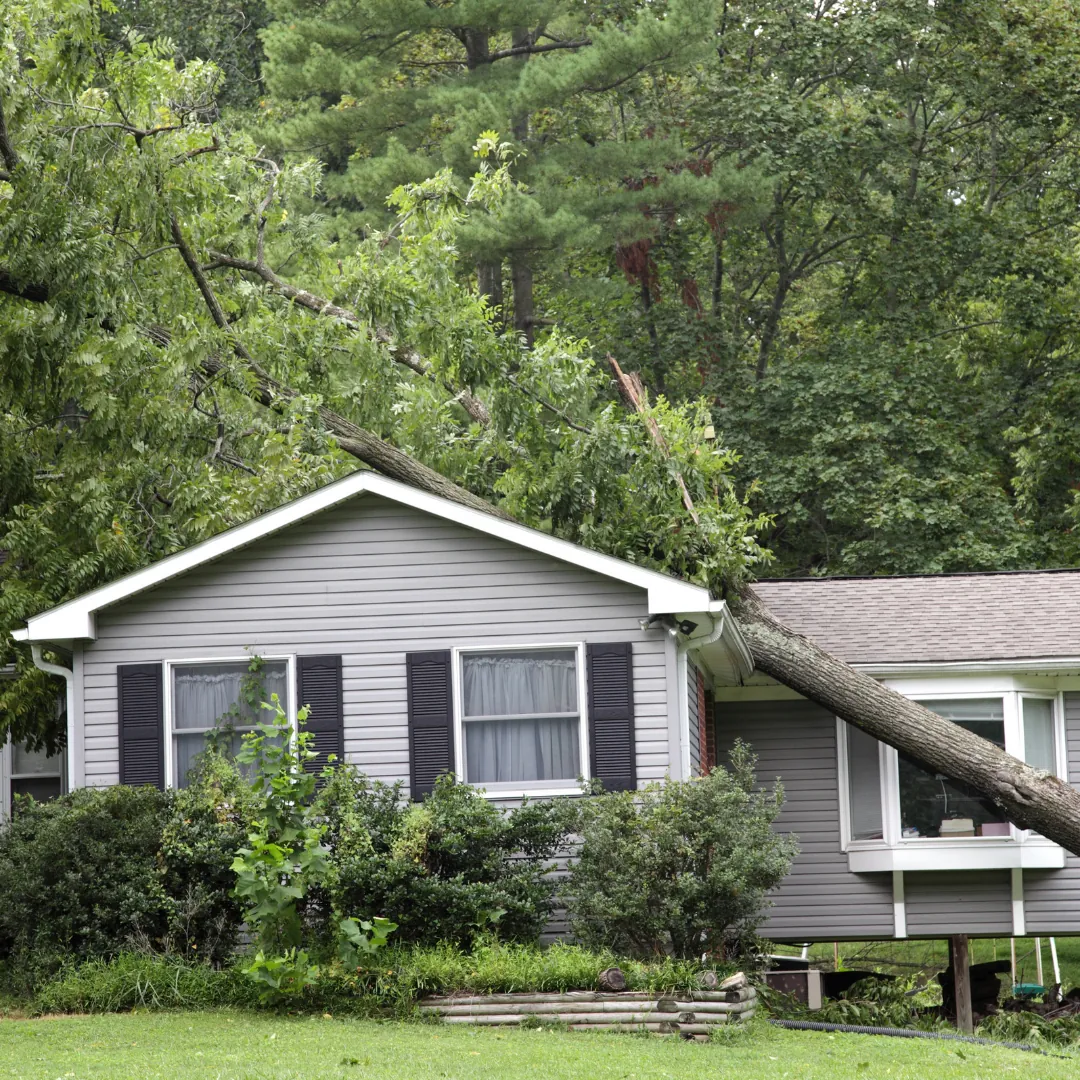
Large tree trunk fallen across the roof of a single-storey grey house, resting on the gutter beside a bay window

A split trunk across your driveway or a cracked limb resting on your roof is not a wait-and-see problem. It is an emergency. Fall storms in the Chattahoochee Valley can turn a healthy-looking oak into a hazard overnight, and the worst damage is often the damage you cannot see from the ground. Below, you will learn when to call for help immediately, what to inspect after high winds, and how to keep a damaged tree from turning into a much larger bill.

When Storm Damage Becomes an Emergency

Call for help immediately if a damaged tree threatens people, a structure, a vehicle, or a power line. Those situations will not improve on their own, and they usually get worse with the next gust of wind.


After any strong storm, walk your property and look for these warning signs:

  • Large limbs resting on your roof, fence, or utility lines
  • Cracks or splitting bark near the base of the trunk
  • A tree leaning at a new angle it did not have last week
  • Roots lifting out of the soil, especially on one side
  • Hanging branches that shift when the wind picks up


Any one of these calls for a same-day look from a professional. Because a compromised tree holds enormous stored energy, cutting it in the wrong order can drop the whole thing on your house. That is why an emergency tree removal service handles the cut rather than a neighbor with a chainsaw. Residential Tree Service and Landscape answers these calls 24 hours a day throughout the Columbus area.

Why Columbus Trees Fail in the Fall

Columbus trees fail in fall mainly because of tropical systems and severe thunderstorms, not ice. The Atlantic hurricane season runs through November 30, so remnants of tropical storms can still reach west Georgia well into autumn.


The risk is not theoretical. During the September 19, 2026 storm, the National Weather Service recorded wind gusts near 70 mph in parts of Muscogee County, which brought down at least 80 trees and left as many as 17,000 customers without power. One falling tree broke a gas line on Woodland Drive, while another fell through a house near Tip Top Drive.


Soil plays a role too. When heavy rain saturates our local clay soil and storm pruning gets skipped, root plates lose their grip and tall trees simply tip over. A tree that has stood for forty years can uproot in a single afternoon.

What Actually Threatens Your Oaks in Georgia

Oak wilt is not the real concern here. University of Georgia Extension reports that oak wilt is rare in Georgia and has never been positively identified at the UGA Plant Disease Clinic. If you have read warnings about avoiding oak pruning in spring and summer, that advice comes from Texas and the Midwest, where the disease is established.


What you should watch for instead is Biscogniauxia canker, formerly called Hypoxylon canker. This fungus already lives harmlessly in many healthy hardwoods across the South. However, it turns deadly once a tree becomes stressed by drought, root damage, soil compaction, or storm injury.


Here is why that matters after a storm. A tree with Biscogniauxia is structurally brittle on the inside even when the canopy still looks fine. Watch for bark sloughing off in patches, which exposes a dusty gray, tan, or black fungal mat underneath. There is no cure, so an affected tree near your house should be evaluated for removal rather than left standing through winter.

What a Professional Crew Does on an Emergency Call

A qualified crew brings assessment skills, rigging equipment, and insurance, not just a chainsaw and a truck. Here is what you can expect when a trained team arrives:


  1. Hazard assessment first. The crew identifies what is under tension, what is unstable, and what nobody should walk under.
  2. Controlled removal sequencing. Ropes and rigging lower heavy sections instead of dropping them, which protects your roof, fence, and nearby trees.
  3. Power line awareness. Crews coordinate with the utility rather than working near energized lines.
  4. Complete debris cleanup. Your driveway and yard get cleared so you can use the property again.
  5. Follow-up guidance on any remaining trees that need monitoring.


This applies whether you are one of the many homeowners dealing with a single tree on the garage or you manage a business or rental property where blocked access affects customers and tenants.

How to Prepare Before the Next Storm

The cheapest emergency is the one that never happens. Fall is an ideal time to walk your property while conditions are calm and flag anything structurally weak.

What to Look For Why It Matters
Deadwood in the canopy Snaps first in high wind
V-shaped branch unions Splits under load far more easily than U-shaped unions
Trees leaning toward structures Gives you a clear picture of the fall zone
Bark sloughing or fungal growth Signals internal decay and brittleness
Soil heaving near the base Early warning that roots are losing their grip

Addressing these issues now costs far less than an emergency callout at 2 a.m. during an active storm. Better yet, healthy mature trees protect your property value rather than threatening it. Once a hazard tree comes down, thoughtful landscaping work can fill the gap it leaves behind.

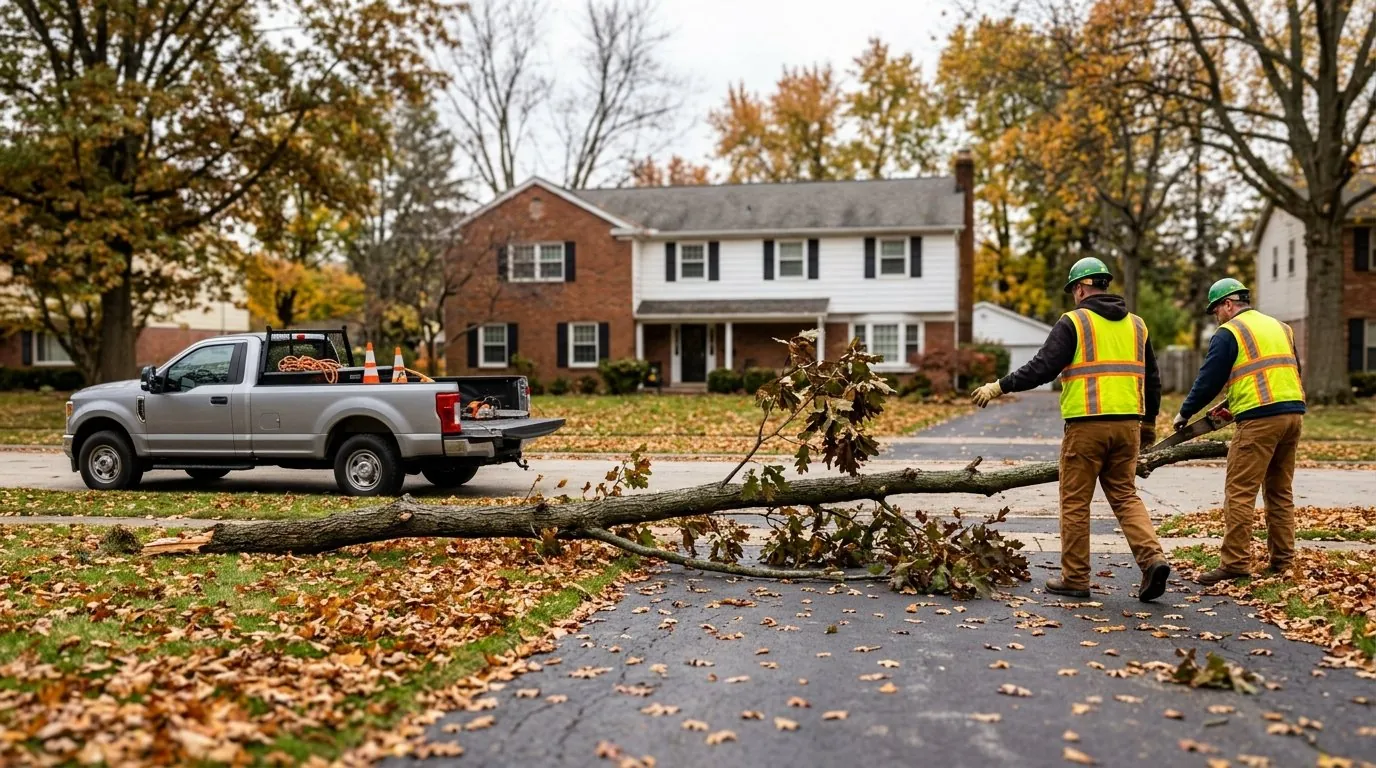
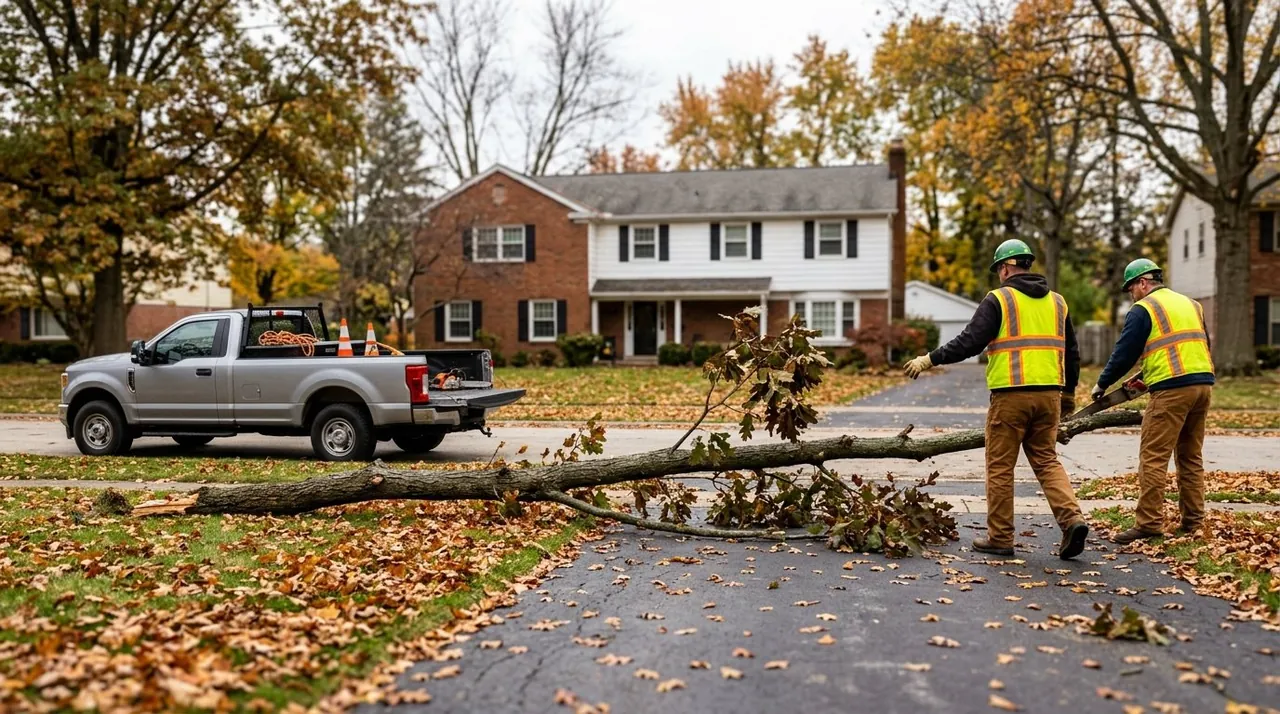
Two crew members in hard hats and high-visibility vests clearing a fallen oak limb from a suburban street, a pickup truck with traffic cones and a chainsaw parked beside the autumn leaves

FAQs About Emergency Tree Removal

  • How fast can an emergency tree removal service respond in Columbus?

    Response times depend on storm severity and how many calls come in at once. Urgent hazards such as limbs on structures or trees blocking driveways get prioritized, and 24-hour service means you are not waiting until Monday morning.

  • Is it safe to cut up a storm-damaged tree myself?

    No. Storm-damaged wood holds unpredictable tension, so a limb can spring or the trunk can roll the moment you cut. Chainsaw injuries spike after storms for exactly this reason.

  • Does storm damage always mean the whole tree comes out?

    Not always. If the trunk is sound and the root plate has not shifted, careful pruning can save the tree. However, a split trunk or lifted roots usually means removal is the safer call.

  • What should I do the moment a tree falls?

    Keep people and pets well clear of the area. Never approach a downed power line, and never assume a line is dead. Then call a professional crew to evaluate the site before anyone starts cleanup.

  • Will my insurance cover it?

    Coverage varies by policy. Generally, insurers are more likely to help when a tree strikes a covered structure than when it simply falls in the yard. Photograph everything before cleanup begins.

Get Emergency Tree Help in Columbus Today

If a fallen limb, split trunk, or leaning tree has you worried, do not wait for the next weather system to make the decision for you. Residential Tree Service and Landscape offers 24/7 emergency response and free estimates throughout Columbus, GA.


Call (706) 681-3582 now for immediate assistance.

Recent Posts

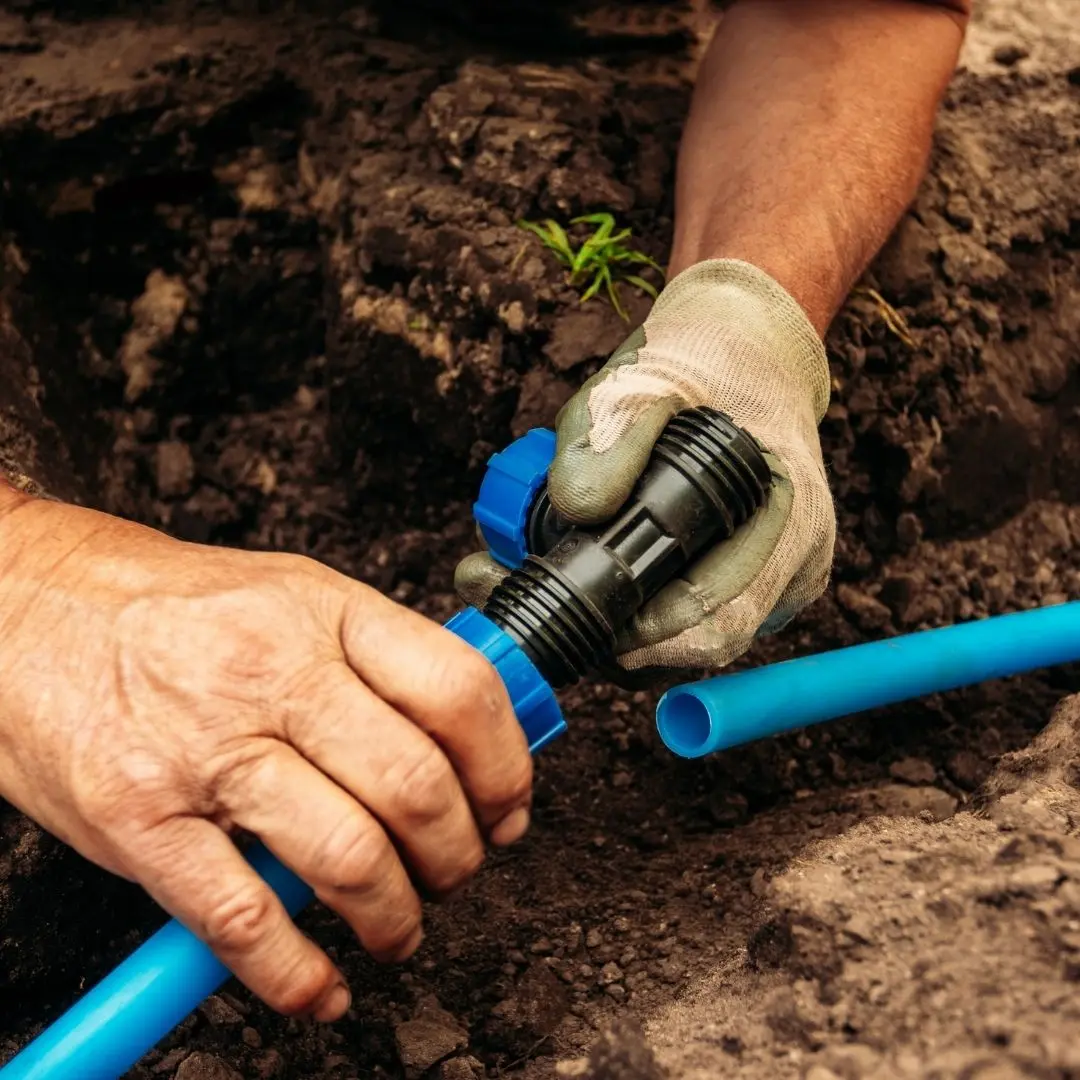
Technician connecting blue drip line fittings while installing a smart irrigation system in Columbus, GA
October 2, 2026
Cut water waste with a smart irrigation system in Columbus, GA. See how sensors, drip lines, and app controls lower your bill and protect your yard.
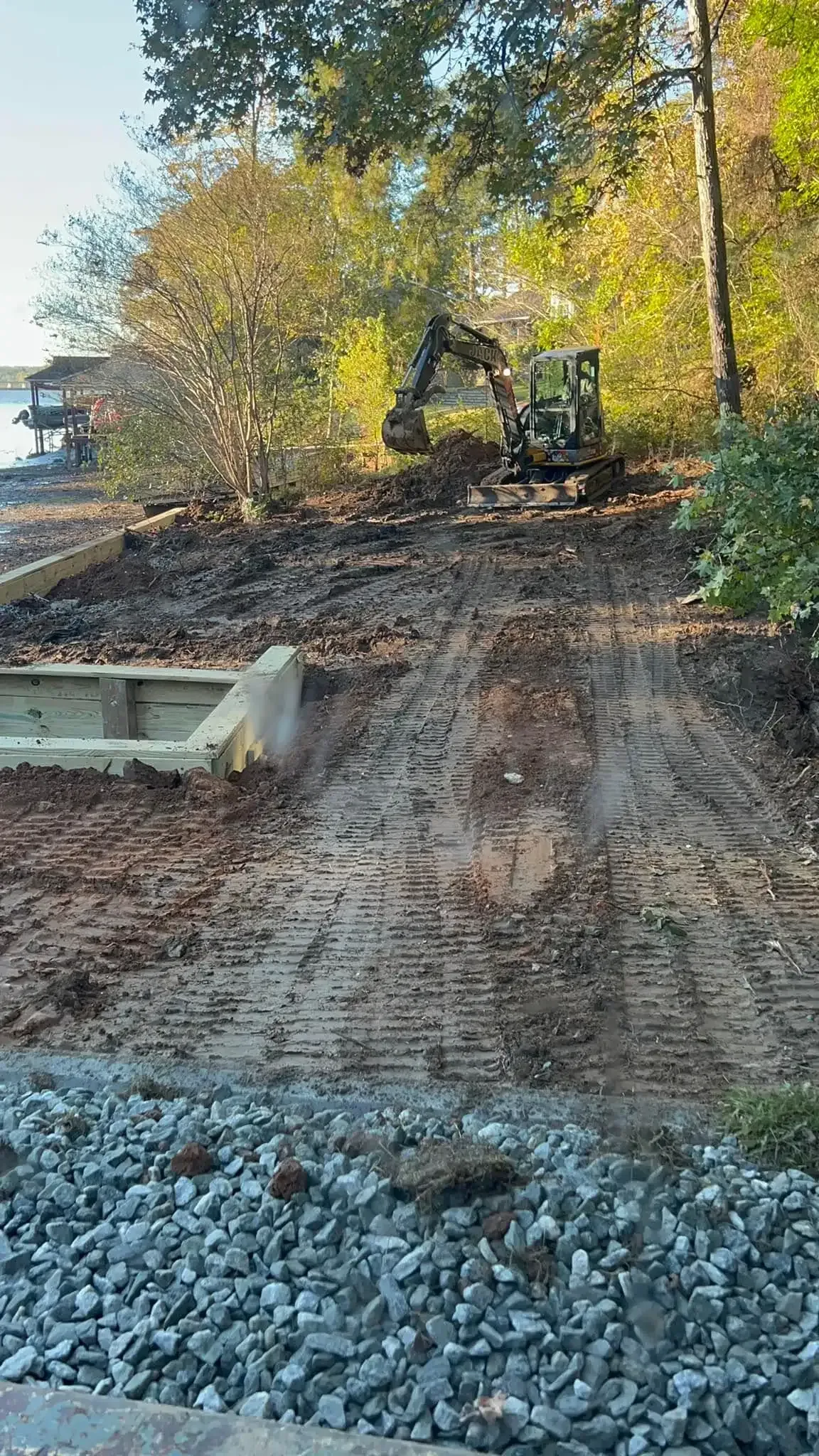
Excavator grading and clearing land for a functional outdoor space in Columbus, GA
August 14, 2026
Learn how land clearing services in Columbus, GA turn overgrown property into usable outdoor space, including planning, permits, project steps, and site preparation.
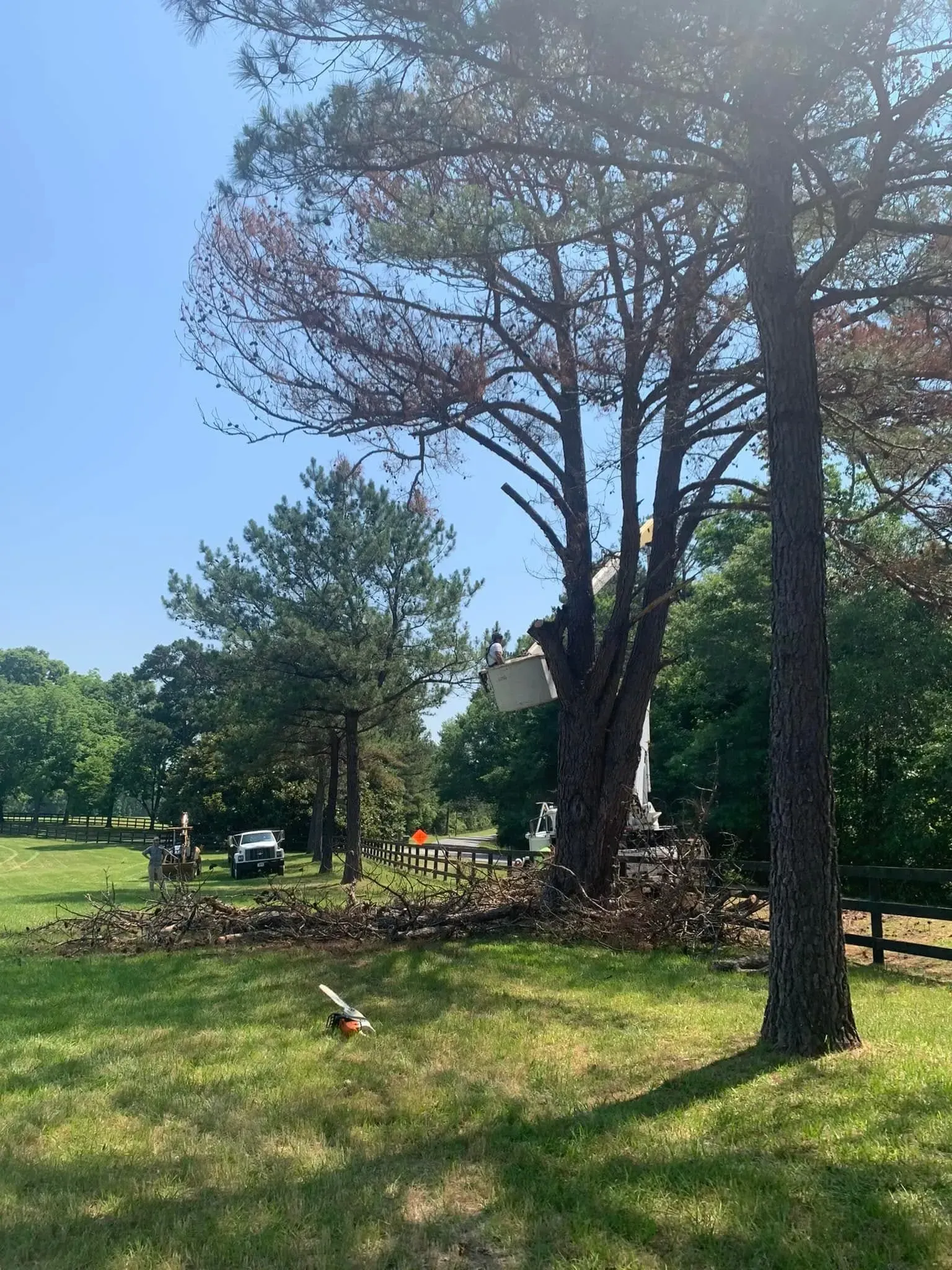
tree services in Columbus GA
July 24, 2026
Explore four 2026 yard and tree care trends in Columbus, GA, including bark scale, storm pruning, clay soil, and native plants.
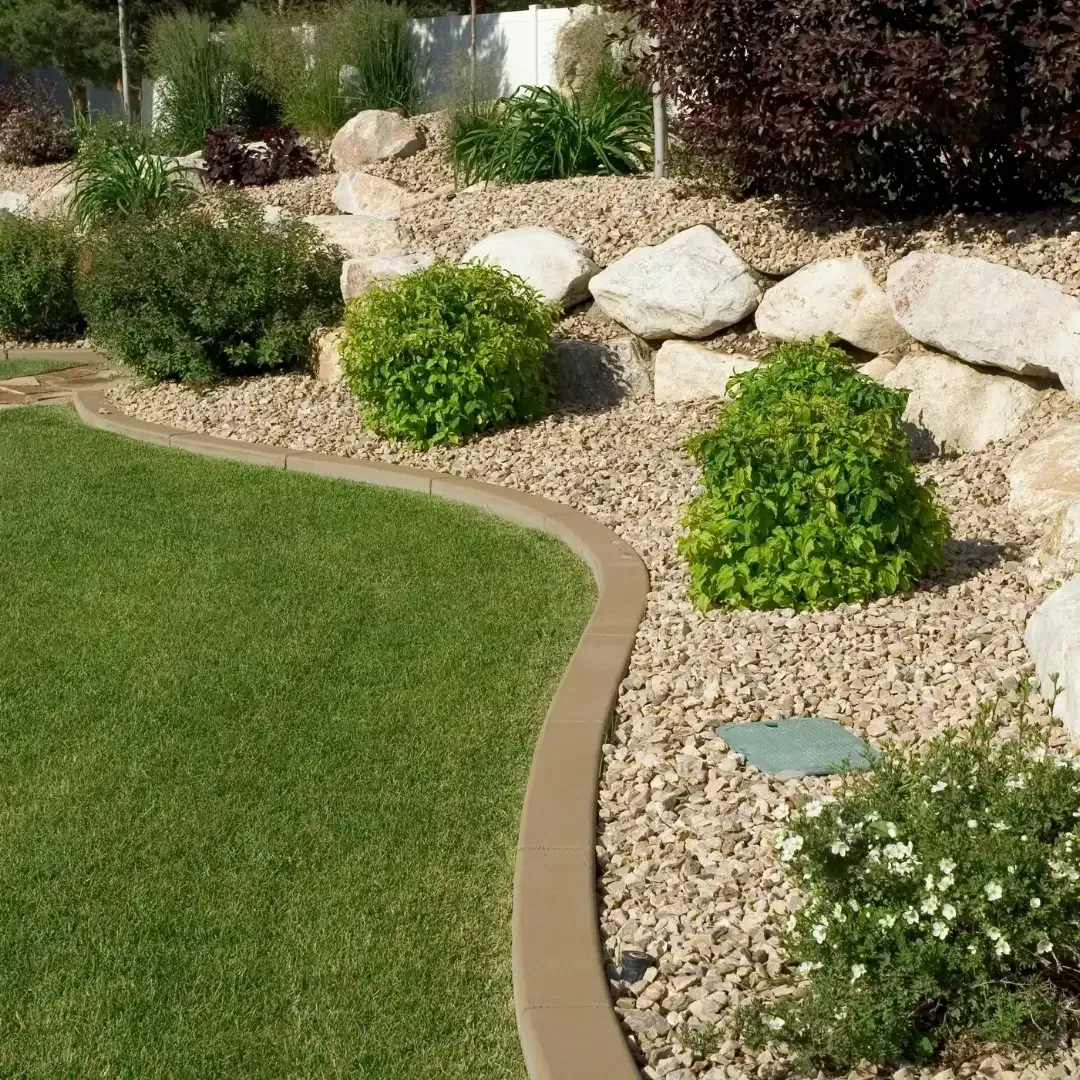
Curved lawn edge with tan gravel, green shrubs, and large rocks in a landscaped garden
June 29, 2026
Plan a functional, low-maintenance yard in Columbus, GA. Learn landscape design basics and call Residential Tree Service and Landscape today.

Curved gravel path through a lush green park with yellow flowers and trees in Columbus, GA.
May 25, 2026
Learn how trees, lawn care, and landscaping can boost property value in Columbus, GA. Call Residential Tree Service and Landscape today.
Technician connecting blue drip line fittings while installing a smart irrigation system in Columbus, GA
October 2, 2026
Cut water waste with a smart irrigation system in Columbus, GA. See how sensors, drip lines, and app controls lower your bill and protect your yard.
Excavator grading and clearing land for a functional outdoor space in Columbus, GA
August 14, 2026
Learn how land clearing services in Columbus, GA turn overgrown property into usable outdoor space, including planning, permits, project steps, and site preparation.
tree services in Columbus GA
July 24, 2026
Explore four 2026 yard and tree care trends in Columbus, GA, including bark scale, storm pruning, clay soil, and native plants.
Curved lawn edge with tan gravel, green shrubs, and large rocks in a landscaped garden
June 29, 2026
Plan a functional, low-maintenance yard in Columbus, GA. Learn landscape design basics and call Residential Tree Service and Landscape today.
Curved gravel path through a lush green park with yellow flowers and trees in Columbus, GA.
May 25, 2026
Learn how trees, lawn care, and landscaping can boost property value in Columbus, GA. Call Residential Tree Service and Landscape today.
Emergency Tree Removal Service in Columbus, GA: Fall Storm Safety

Share this article

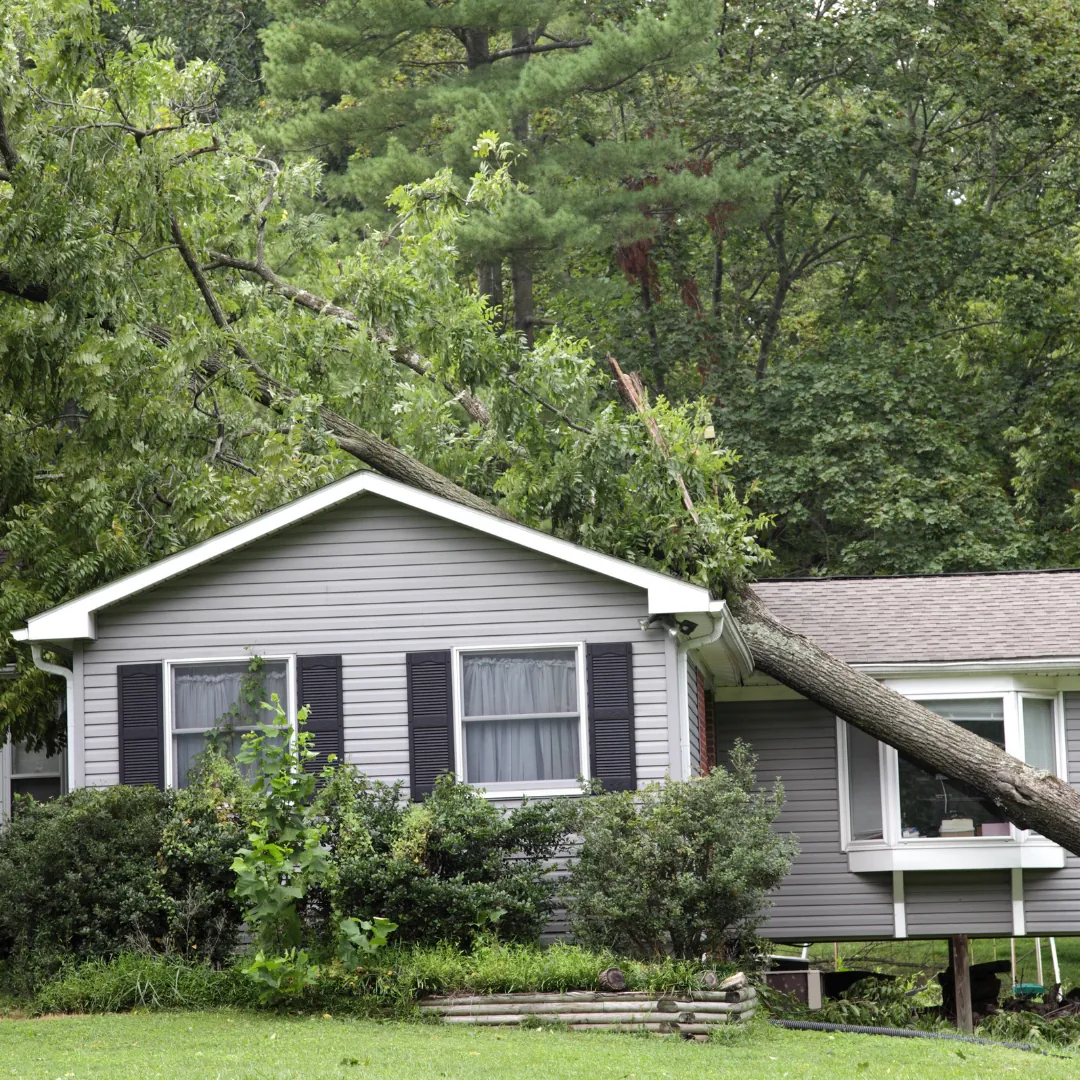
Large tree trunk fallen across the roof of a single-storey grey house, resting on the gutter beside a bay window

A split trunk across your driveway or a cracked limb resting on your roof is not a wait-and-see problem. It is an emergency. Fall storms in the Chattahoochee Valley can turn a healthy-looking oak into a hazard overnight, and the worst damage is often the damage you cannot see from the ground. Below, you will learn when to call for help immediately, what to inspect after high winds, and how to keep a damaged tree from turning into a much larger bill.

When Storm Damage Becomes an Emergency

Call for help immediately if a damaged tree threatens people, a structure, a vehicle, or a power line. Those situations will not improve on their own, and they usually get worse with the next gust of wind.


After any strong storm, walk your property and look for these warning signs:

  • Large limbs resting on your roof, fence, or utility lines
  • Cracks or splitting bark near the base of the trunk
  • A tree leaning at a new angle it did not have last week
  • Roots lifting out of the soil, especially on one side
  • Hanging branches that shift when the wind picks up


Any one of these calls for a same-day look from a professional. Because a compromised tree holds enormous stored energy, cutting it in the wrong order can drop the whole thing on your house. That is why an emergency tree removal service handles the cut rather than a neighbor with a chainsaw. Residential Tree Service and Landscape answers these calls 24 hours a day throughout the Columbus area.

Why Columbus Trees Fail in the Fall

Columbus trees fail in fall mainly because of tropical systems and severe thunderstorms, not ice. The Atlantic hurricane season runs through November 30, so remnants of tropical storms can still reach west Georgia well into autumn.


The risk is not theoretical. During the September 19, 2026 storm, the National Weather Service recorded wind gusts near 70 mph in parts of Muscogee County, which brought down at least 80 trees and left as many as 17,000 customers without power. One falling tree broke a gas line on Woodland Drive, while another fell through a house near Tip Top Drive.


Soil plays a role too. When heavy rain saturates our local clay soil and storm pruning gets skipped, root plates lose their grip and tall trees simply tip over. A tree that has stood for forty years can uproot in a single afternoon.

What Actually Threatens Your Oaks in Georgia

Oak wilt is not the real concern here. University of Georgia Extension reports that oak wilt is rare in Georgia and has never been positively identified at the UGA Plant Disease Clinic. If you have read warnings about avoiding oak pruning in spring and summer, that advice comes from Texas and the Midwest, where the disease is established.


What you should watch for instead is Biscogniauxia canker, formerly called Hypoxylon canker. This fungus already lives harmlessly in many healthy hardwoods across the South. However, it turns deadly once a tree becomes stressed by drought, root damage, soil compaction, or storm injury.


Here is why that matters after a storm. A tree with Biscogniauxia is structurally brittle on the inside even when the canopy still looks fine. Watch for bark sloughing off in patches, which exposes a dusty gray, tan, or black fungal mat underneath. There is no cure, so an affected tree near your house should be evaluated for removal rather than left standing through winter.

What a Professional Crew Does on an Emergency Call

A qualified crew brings assessment skills, rigging equipment, and insurance, not just a chainsaw and a truck. Here is what you can expect when a trained team arrives:


  1. Hazard assessment first. The crew identifies what is under tension, what is unstable, and what nobody should walk under.
  2. Controlled removal sequencing. Ropes and rigging lower heavy sections instead of dropping them, which protects your roof, fence, and nearby trees.
  3. Power line awareness. Crews coordinate with the utility rather than working near energized lines.
  4. Complete debris cleanup. Your driveway and yard get cleared so you can use the property again.
  5. Follow-up guidance on any remaining trees that need monitoring.


This applies whether you are one of the many homeowners dealing with a single tree on the garage or you manage a business or rental property where blocked access affects customers and tenants.

How to Prepare Before the Next Storm

The cheapest emergency is the one that never happens. Fall is an ideal time to walk your property while conditions are calm and flag anything structurally weak.

What to Look For Why It Matters
Deadwood in the canopy Snaps first in high wind
V-shaped branch unions Splits under load far more easily than U-shaped unions
Trees leaning toward structures Gives you a clear picture of the fall zone
Bark sloughing or fungal growth Signals internal decay and brittleness
Soil heaving near the base Early warning that roots are losing their grip

Addressing these issues now costs far less than an emergency callout at 2 a.m. during an active storm. Better yet, healthy mature trees protect your property value rather than threatening it. Once a hazard tree comes down, thoughtful landscaping work can fill the gap it leaves behind.

Two crew members in hard hats and high-visibility vests clearing a fallen oak limb from a suburban street, a pickup truck with traffic cones and a chainsaw parked beside the autumn leaves

FAQs About Emergency Tree Removal

  • How fast can an emergency tree removal service respond in Columbus?

    Response times depend on storm severity and how many calls come in at once. Urgent hazards such as limbs on structures or trees blocking driveways get prioritized, and 24-hour service means you are not waiting until Monday morning.

  • Is it safe to cut up a storm-damaged tree myself?

    No. Storm-damaged wood holds unpredictable tension, so a limb can spring or the trunk can roll the moment you cut. Chainsaw injuries spike after storms for exactly this reason.

  • Does storm damage always mean the whole tree comes out?

    Not always. If the trunk is sound and the root plate has not shifted, careful pruning can save the tree. However, a split trunk or lifted roots usually means removal is the safer call.

  • What should I do the moment a tree falls?

    Keep people and pets well clear of the area. Never approach a downed power line, and never assume a line is dead. Then call a professional crew to evaluate the site before anyone starts cleanup.

  • Will my insurance cover it?

    Coverage varies by policy. Generally, insurers are more likely to help when a tree strikes a covered structure than when it simply falls in the yard. Photograph everything before cleanup begins.

Get Emergency Tree Help in Columbus Today

If a fallen limb, split trunk, or leaning tree has you worried, do not wait for the next weather system to make the decision for you. Residential Tree Service and Landscape offers 24/7 emergency response and free estimates throughout Columbus, GA.


Call (706) 681-3582 now for immediate assistance.

Recent Posts

Technician connecting blue drip line fittings while installing a smart irrigation system in Columbus, GA
October 2, 2026
Cut water waste with a smart irrigation system in Columbus, GA. See how sensors, drip lines, and app controls lower your bill and protect your yard.
Excavator grading and clearing land for a functional outdoor space in Columbus, GA
August 14, 2026
Learn how land clearing services in Columbus, GA turn overgrown property into usable outdoor space, including planning, permits, project steps, and site preparation.
tree services in Columbus GA
July 24, 2026
Explore four 2026 yard and tree care trends in Columbus, GA, including bark scale, storm pruning, clay soil, and native plants.
Curved lawn edge with tan gravel, green shrubs, and large rocks in a landscaped garden
June 29, 2026
Plan a functional, low-maintenance yard in Columbus, GA. Learn landscape design basics and call Residential Tree Service and Landscape today.
Curved gravel path through a lush green park with yellow flowers and trees in Columbus, GA.
May 25, 2026
Learn how trees, lawn care, and landscaping can boost property value in Columbus, GA. Call Residential Tree Service and Landscape today.