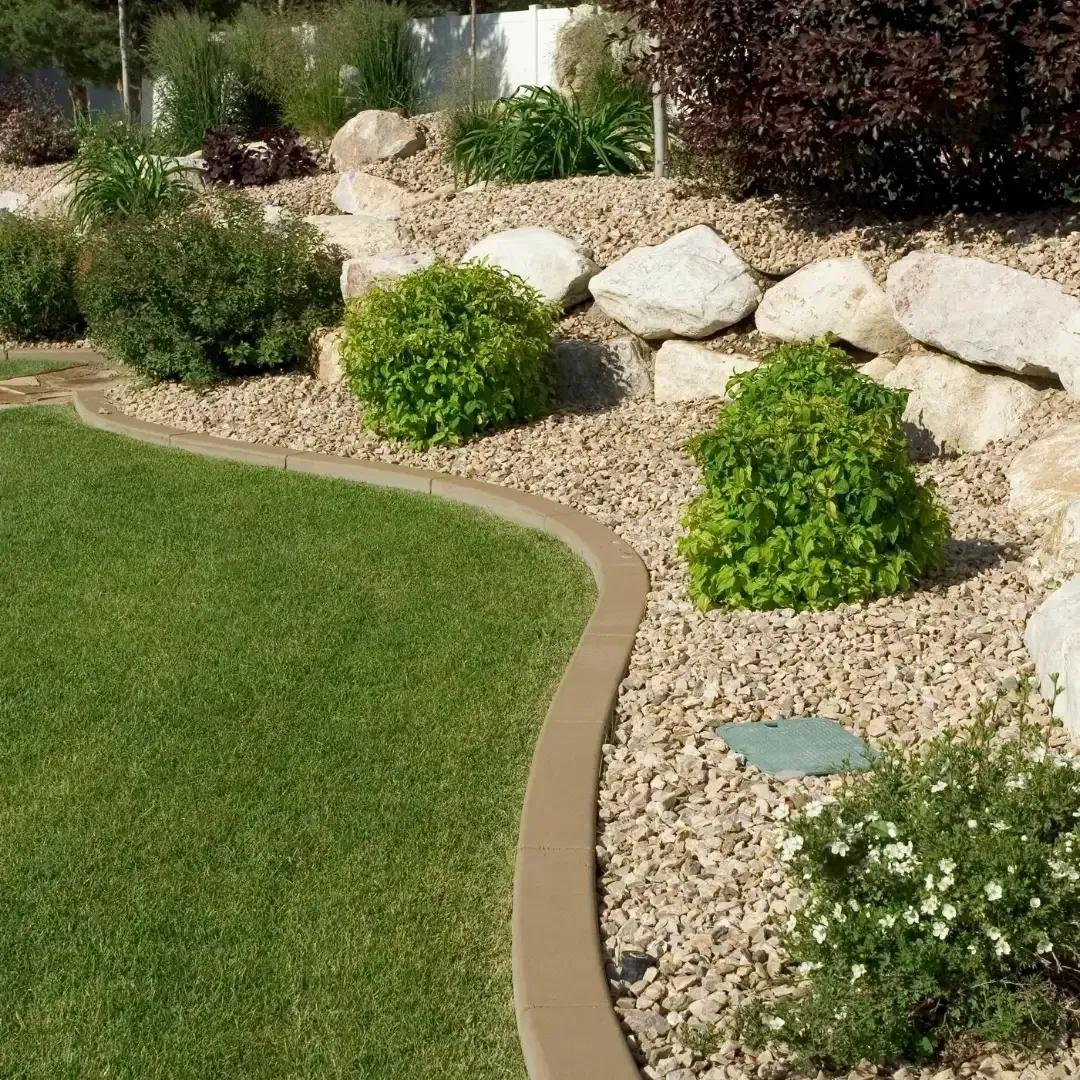
Landscape design services help you plan a yard before work begins, so your outdoor space looks good, works well, and is easier to maintain. For property owners in Columbus, GA, a smart design should account for heat, rain, drainage, irrigation, lawn care, curb appeal, and how you use the property every day.
A good landscape should not only look nice from the street. It should help your home or business feel cleaner, safer, and more useful. Whether you want a fresh front yard, better lawn space, or a more professional commercial property, planning first can help you avoid costly mistakes during
landscape installation.
What Are Landscape Design Services?
Landscape design services help you decide where lawns, plants, trees, beds, irrigation, and outdoor features should go before installation starts. The goal is to create a yard that fits your property, your budget, and your long-term maintenance needs.
Design is the planning step. Installation is the hands-on work that brings the plan to life. A design may include sod areas, mulch beds, shrubs, trees, borders, walkways, drainage planning, and irrigation needs.
Here is a simple comparison:
| Landscape Design | Landscape Installation |
|---|---|
| Plans the layout | Completes the physical work |
| Reviews sun, shade, and drainage | Installs sod, plants, mulch, and beds |
| Helps prevent mistakes | Builds the finished yard |
| Focuses on long-term use | Focuses on proper placement and setup |
For example, if your front yard has patchy grass and too many crowded shrubs, design helps decide what to remove, what to keep, and where new features should go before any work begins.
Why Functional Landscape Design Matters in Columbus, GA
A functional yard is planned around how you actually use the space. In Columbus, GA, that may mean creating shaded areas, improving drainage after heavy rain, making mowing easier, or keeping a business entrance clean and easy to see.
For homeowners, functional design may include open lawn space for kids, neat plant beds near the front porch, or trees placed where they add shade without blocking walkways. For commercial property owners, it may mean clear entrances, visible signage, safe paths, and landscaping that looks professional without needing constant upkeep.
A useful design also considers local growing conditions. Columbus yards can deal with hot summers, quick plant growth, wet weather, and dry periods. That makes proper plant spacing, irrigation planning, and simple maintenance zones important.
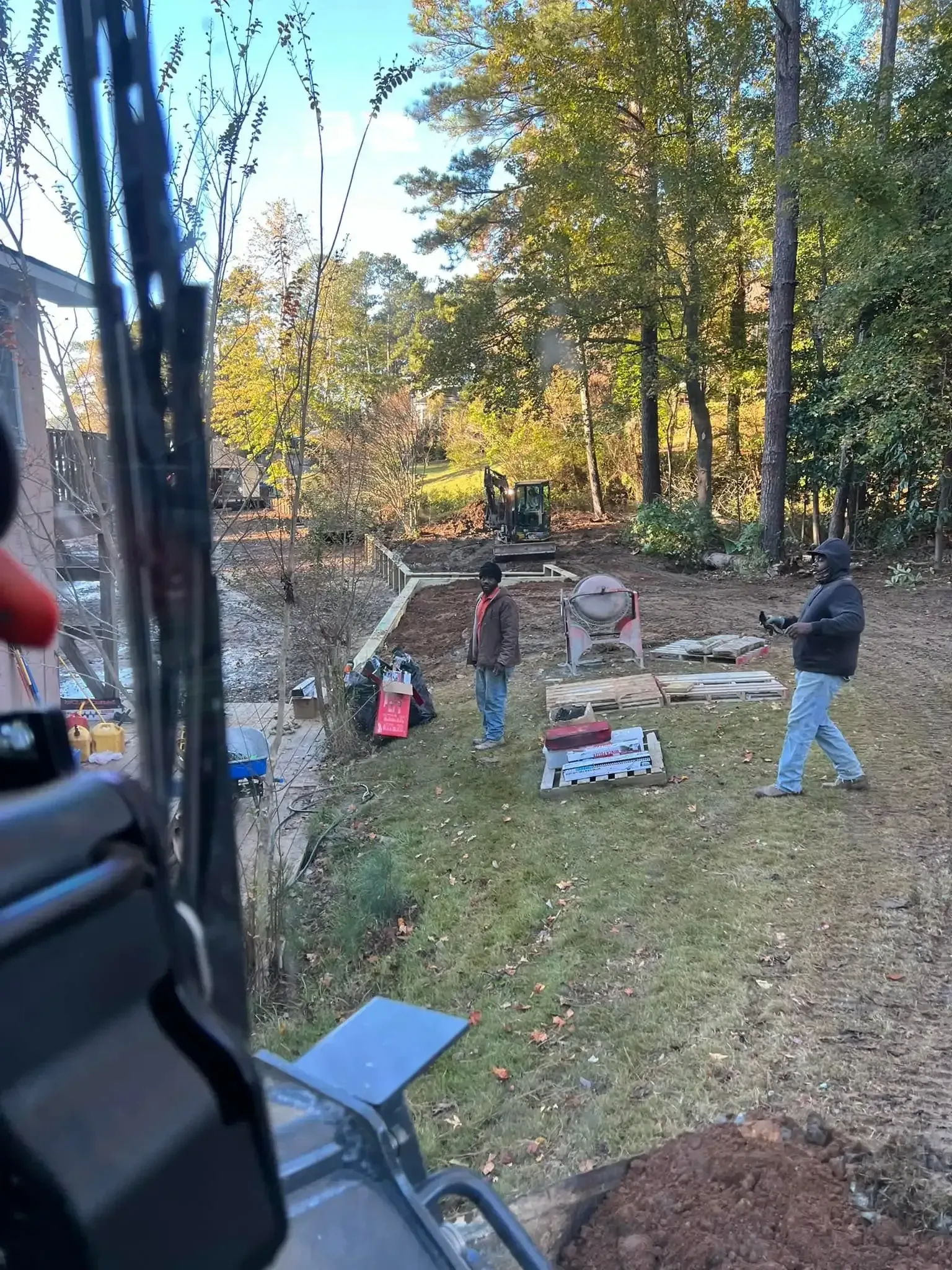
Low-Maintenance Landscape Design Basics for 2026
A low-maintenance landscape reduces extra mowing, watering, trimming, cleanup, and repairs. It doesn't mean no maintenance. It means your yard is planned so routine care feels easier and more manageable.
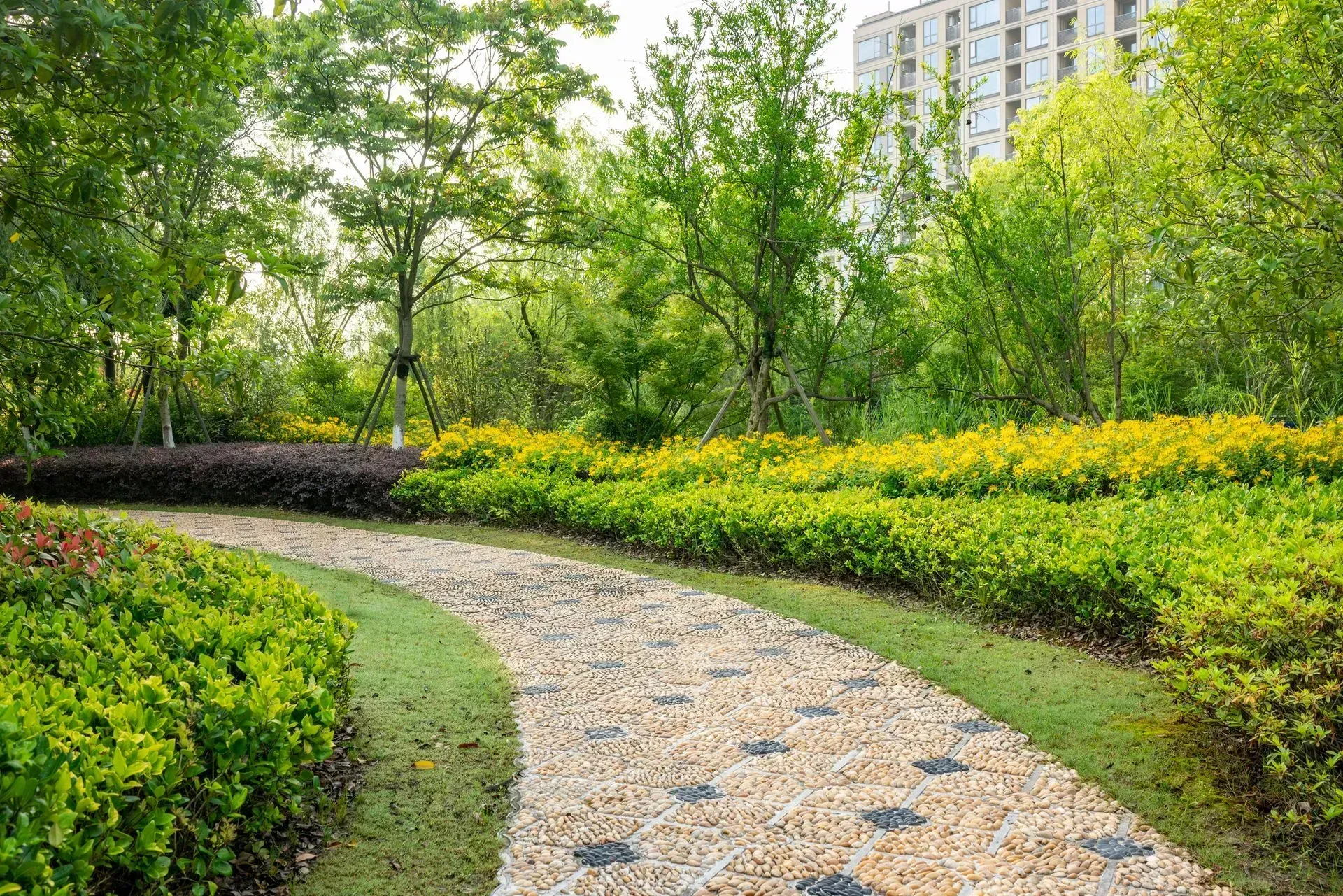
Start with the layout. Simple lawn shapes are easier to mow. Defined beds are easier to edge. Plants with enough room to grow need less trimming. Mulch can help control weeds and hold moisture around plants.
Use this checklist when planning a low-maintenance yard:
- Choose plants that fit the sun and shade on your property.
- Keep lawn areas simple and easy to mow.
- Avoid small, scattered beds that need extra edging.
- Use mulch in plant beds.
- Leave enough space around shrubs, trees, fences, and walkways.
- Plan irrigation before installing sod or plants.
- Choose durable plants for high-traffic areas.
- Think about seasonal cleanup before you install anything.
For example, a business on a busy road in Columbus may need simple front beds with hardy shrubs instead of delicate plants that need weekly attention. A homeowner may request
residential landscaping featuring fewer narrow trimming areas along fences and more open lawn space.
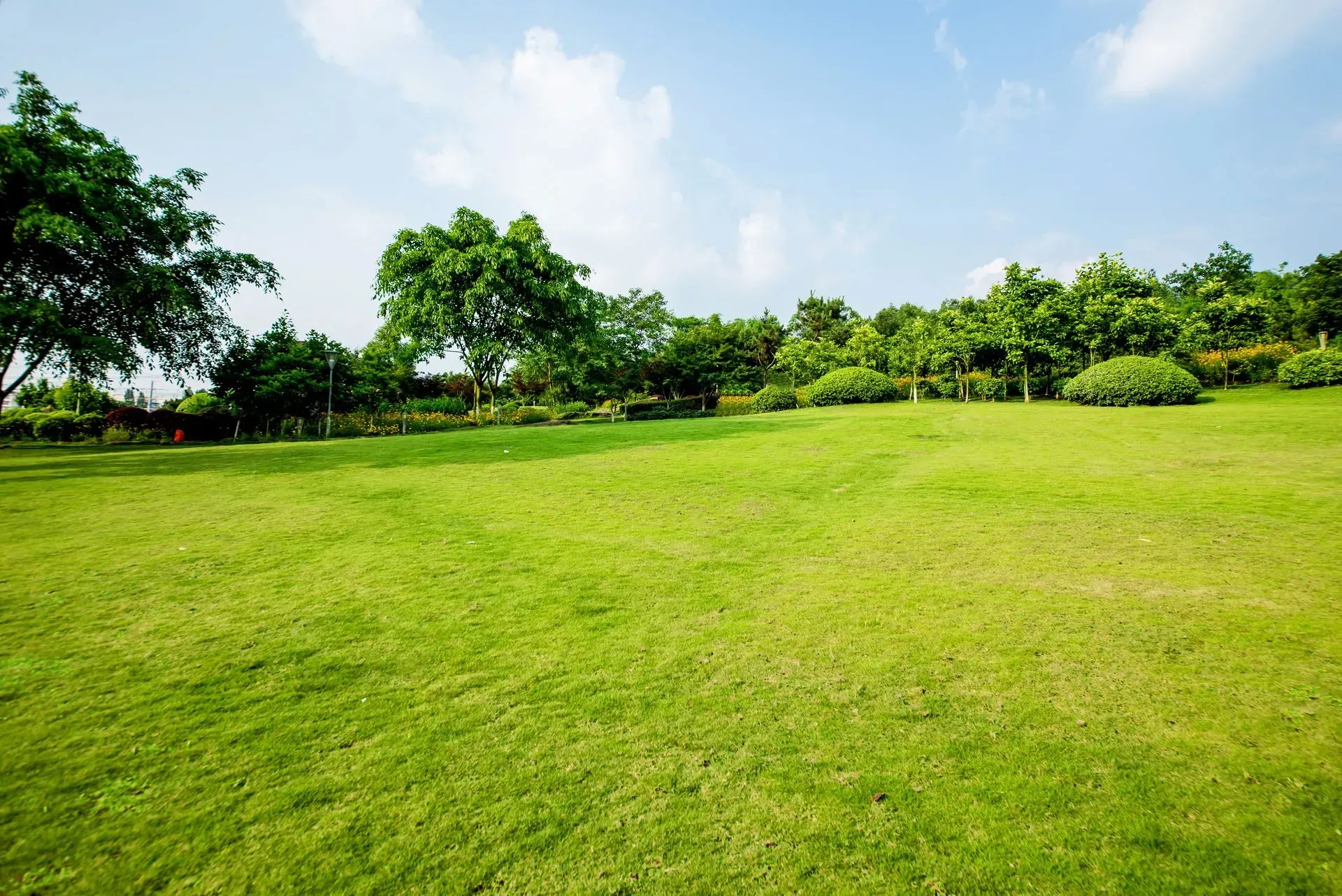
Landscape Installation Choices That Affect Long-Term Results
Landscape installation affects how well your yard performs after the project is finished. Even the best design can struggle if sod, plants, beds, or irrigation are installed without the right preparation.
Good installation starts with the basics. Soil should be prepared before sod goes down. Plant beds should have enough space for roots to grow. Shrubs should not sit too close to buildings, sidewalks, or each other. Mulch should help protect beds without covering plant crowns too deeply.
Sod installation is a good example. Fresh sod can quickly improve curb appeal, but it needs proper soil prep, watering, sunlight, and drainage. If you install sod in an area with poor drainage or too much shade, you may see weak growth or bare patches later.
Property owners should call for help when grass will not grow evenly, beds look crowded, water pools after rain, or a yard feels harder to maintain than it should.
Irrigation and Drainage Should Be Part of the Design
Irrigation and drainage should be planned before major landscaping work begins. Water affects how well lawns, trees, shrubs, and plant beds grow, especially during hot Columbus, GA weather.
Different parts of your yard may need different amounts of water. Sod, shrubs, flowers, and trees do not always need the same watering schedule. Smart irrigation planning helps support healthy growth while reducing dry spots, overwatering, and wasted water.
Drainage matters too. Watch for standing water, soggy grass, soil washing away, mulch floating out of beds, or water pooling near buildings. These problems can make a yard harder to use and harder to maintain.
For example, a commercial property with water near the entrance may create both appearance and safety concerns. A residential backyard with soggy areas may limit where kids, pets, or guests can enjoy the space.
Residential vs. Commercial Landscape Design
Residential landscape design focuses on comfort, curb appeal, and everyday use. On the other hand, commercial landscape design focuses on safety, access, visibility, and a professional first impression.
A home landscape may include lawn space, privacy, shade, colorful beds, and easier mowing areas. Meanwhile, commercial landscaping features clean entrances, clear signage, low-maintenance beds, and consistent care that keeps the property looking ready for customers or tenants.
Here is a quick comparison between residential and commercial landscaping:
| Design Factor | Residential Property | Commercial Property |
|---|---|---|
| Main goal | Comfort and curb appeal | Professional appearance |
| Lawn use | Family, pets, outdoor living | Access and visibility |
| Plant choices | Beauty, shade, privacy | Durable, neat growth |
| Maintenance | Easy routine care | Consistent scheduled upkeep |
| Design focus | Personal use | Public-facing presentation |
Both property types need a plan that fits the space. A small front yard, large backyard, office entrance, rental property, or retail space will each need a different approach.
How to Plan a Functional Yard Step by Step
You can start planning a better yard by walking the property and looking at how the space works now. Notice what looks good, what causes problems, and what feels hard to maintain.
Start with these steps:
- Walk the property. Look for sun, shade, slopes, drainage problems, tree roots, bare grass, and hard-to-mow areas.
- Decide how the space should work. Do you need curb appeal, open lawn space, safer walkways, better irrigation, or cleaner plant beds?
- Choose the right features. Your plan may include sod, mulch, shrubs, trees, borders, irrigation, seasonal color, or land clearing.
- Plan for maintenance. Think about mowing, trimming, watering, pruning, edging, and cleanup before installation begins.
For example, if your Columbus home has a shady side yard where grass struggles, the solution may not be more grass. A better plan may include mulch, shade-friendly plants, or a cleaner border that reduces mowing.
Residential and Commercial Properties Both Benefit
Homeowners often invest in outdoor care to improve comfort, safety, and resale value. A clean yard can make your home feel larger, brighter, and more enjoyable.
Property managers and business owners also benefit from professional outdoor care. Clean landscaping can help attract tenants, customers, and clients while showing that the property is well-managed.
Residential Tree Service and Landscape provides both residential services and commercial services in Columbus, GA and surrounding areas. We bring the same care, communication, and craftsmanship to every job.
When you work with one reliable team for tree services,
landscaping services, irrigation services, and land clearing services, you save time and avoid juggling several contractors.

Call Residential Tree Service and Landscape for Landscaping Services in Columbus, GA
A functional, low-maintenance yard starts with the right plan. Residential Tree Service and Landscape helps residential and commercial property owners improve outdoor spaces with landscaping services, landscape installation, irrigation support, lawn care, and tree and landscaping services in Columbus, GA.
Ready to plan a yard that looks better and works harder for your property? Call
Residential Tree Service and Landscape at
(706) 681-3582 for
professional tree and landscaping services in Columbus, GA.
FAQs About Landscape Design Services
What do landscape design services include?
Landscape design services may include planning lawn areas, plant beds, trees, shrubs, sod, irrigation, drainage, and maintenance needs. The goal is to create a clear plan before landscape installation begins.
How do I make my yard low-maintenance?
You can make your yard lower maintenance by using simple lawn shapes, proper plant spacing, mulch, efficient irrigation, and durable plants. A good plan should reduce hard-to-mow areas and limit constant trimming.
Is landscape design different from landscape installation?
Yes. Landscape design is the planning stage, while landscape installation is the physical work. Installation may include sod, plants, mulch, borders, irrigation, and other outdoor improvements.
Do commercial properties need landscape design services?
Yes. Commercial properties benefit from landscape design because it improves curb appeal, safety, access, and first impressions. A good design also helps reduce maintenance problems over time.
When should I call a landscaping company in Columbus, GA?
Call a landscaping company when your yard looks outdated, grass is patchy, beds are overgrown, or drainage problems keep coming back. You should also call before starting sod, irrigation, or major landscape installation work.
Recent Posts