

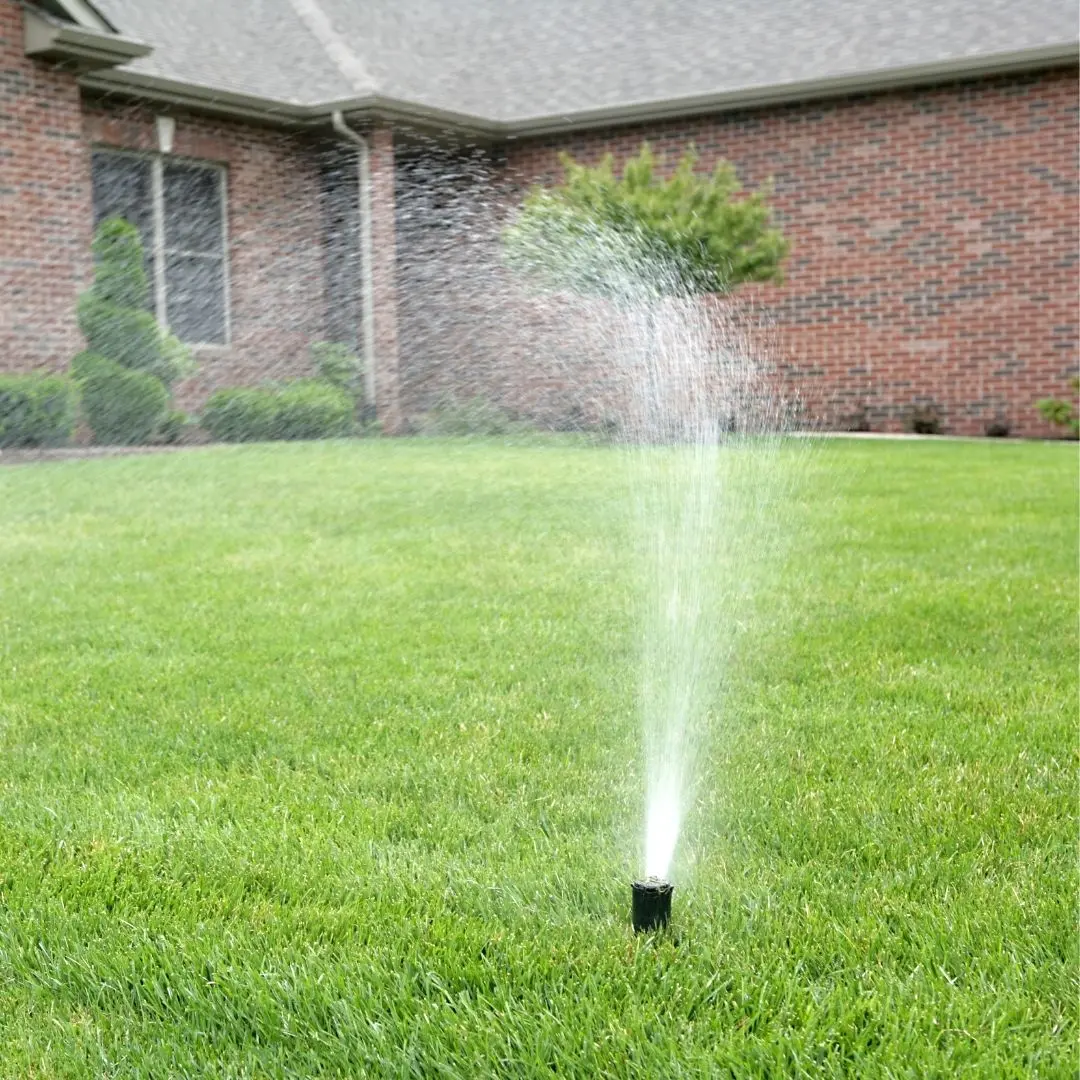
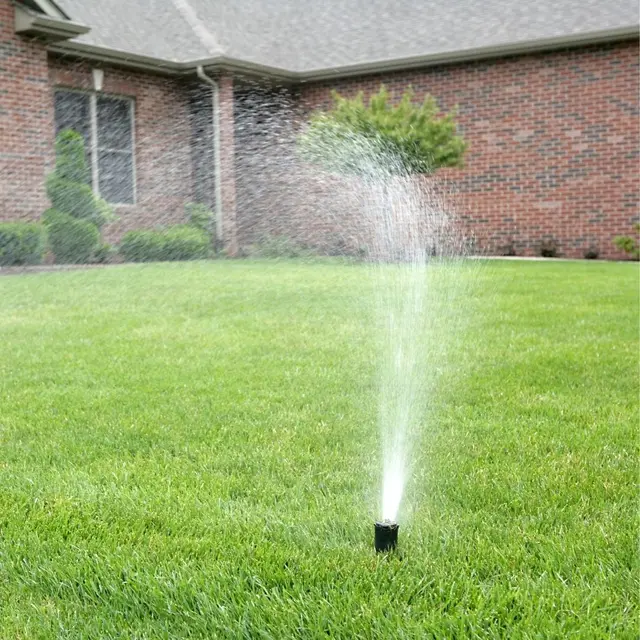


A smart irrigation system waters your yard based on real weather and soil conditions instead of a fixed timer. As a result, you waste less water, pay less on your utility bill, and give your lawn steadier care than an old sprinkler clock ever could.
If you own a home in Columbus, GA, fall is a good time to take a hard look at your setup. The weather has cooled off, your yard is not under peak stress, and you still have months before spring watering ramps back up. Below, you will find what a smart system includes, what waiting actually costs you, and how the upgrade works.
Why Fixed-Schedule Sprinklers Cost You Money
Fixed-schedule sprinklers cost you money because they water on the calendar, not on what your yard needs. Your system runs Tuesday and Friday whether it rained two inches the night before or not, and every wasted cycle shows up on your bill.
The waste adds up faster than most homeowners expect. In fact, EPA WaterSense reports that as much as 50 percent of the water we use outdoors is lost to wind, evaporation, and runoff caused by inefficient irrigation methods and systems.
Columbus weather makes the problem worse. Hot, dry stretches in summer can flip to heavy rain with very little warning, and a basic timer cannot react to either one. So your lawn ends up soaked in wet weeks and thirsty in dry ones. Neither is good for root health.
Overwatering invites other trouble too. Soil that stays wet suffocates roots and creates ideal conditions for fungus and root rot. Replacing dead shrubs or treating a diseased lawn usually costs far more than upgrading your irrigation system would have.
What a Smart Irrigation System Actually Does
A smart irrigation system uses live data to decide when, where, and how much to water. Instead of one blanket schedule for the whole property, it treats each area as its own zone and adjusts on its own.
Most residential setups include:
- Soil moisture sensors that check actual moisture levels before a cycle starts
- Weather-based controllers that pause or shorten watering when rain moves in
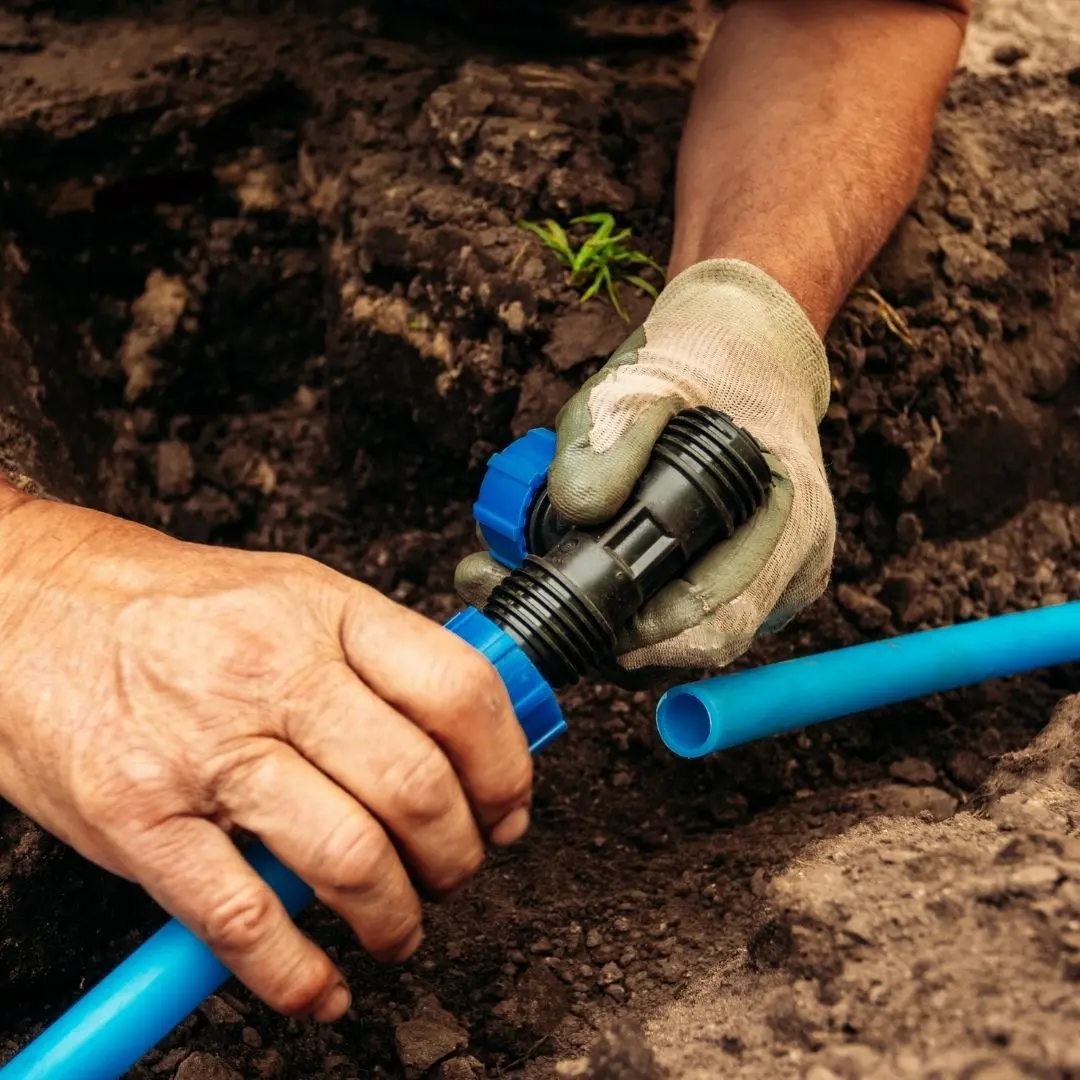
- Drip lines that deliver water straight to root zones instead of sidewalks
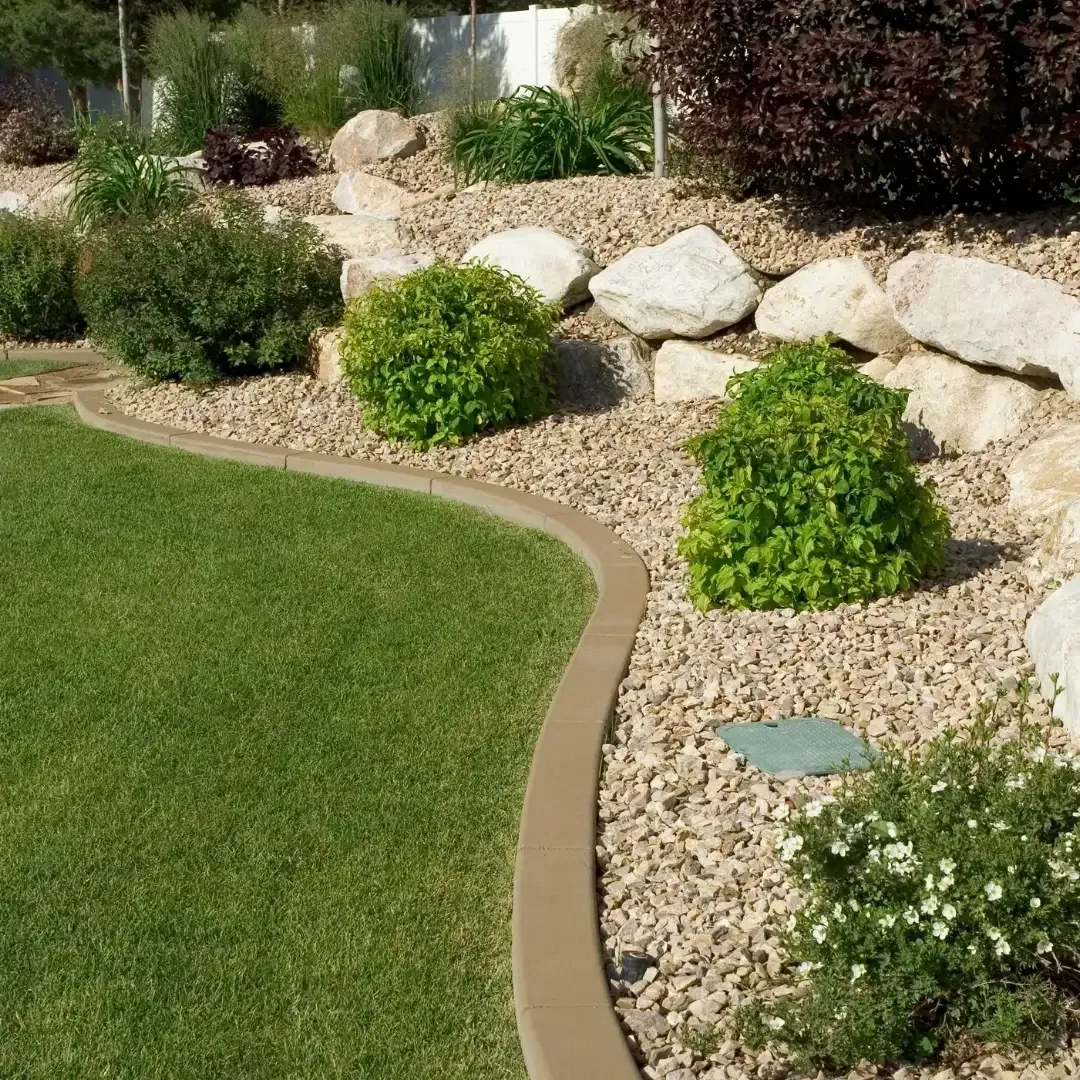
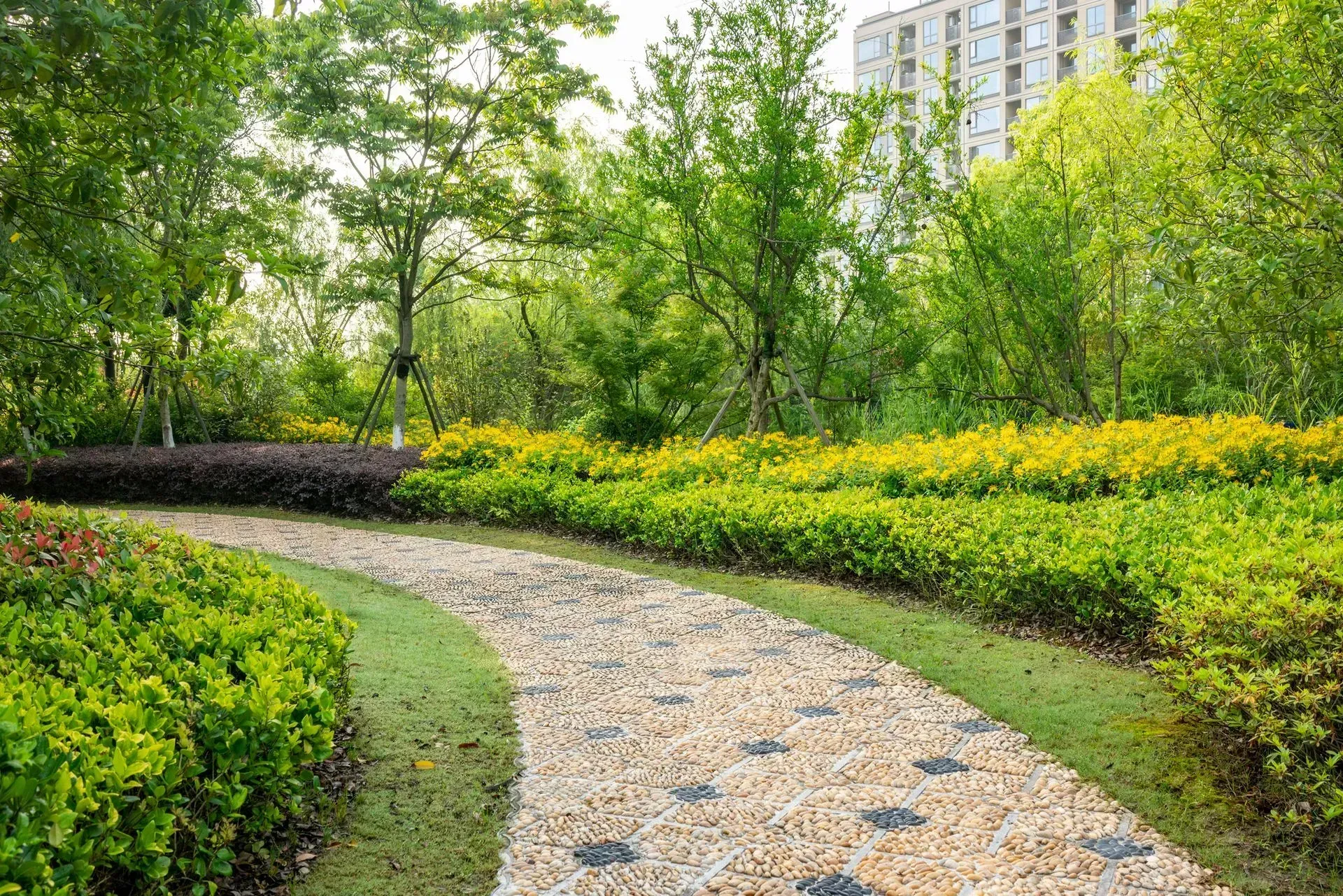
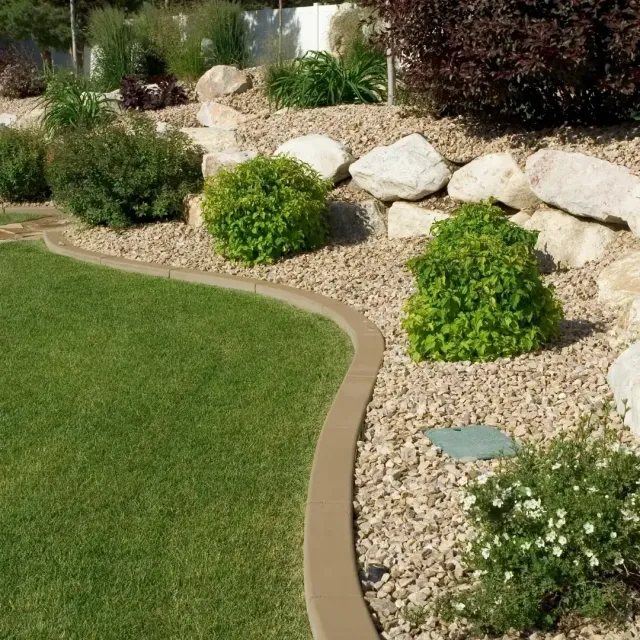
- Zone settings so turf, new plantings, and your ornamental beds and borders each get the right amount
- App controls so you can check or change the schedule from your phone
Together, these parts take the guesswork out of watering. Water goes where it is needed, and only when it is needed.
What You Gain From the Upgrade
You gain three things: a lower water bill, healthier plants, and less time spent babysitting your sprinklers. EPA WaterSense estimates that swapping a clock-based controller for a WaterSense-labeled model can cut a home’s irrigation water use by up to 30 percent, which works out to roughly 15,000 gallons a year for an average home.
| What Improves | What You Notice |
|---|---|
| Water use | Lower monthly bills through the growing season |
| Plant health | Deeper roots and less drought stress |
| Trees and shrubs | Steadier moisture during hot, dry spells |
| Your time | No manual adjusting after every rain |
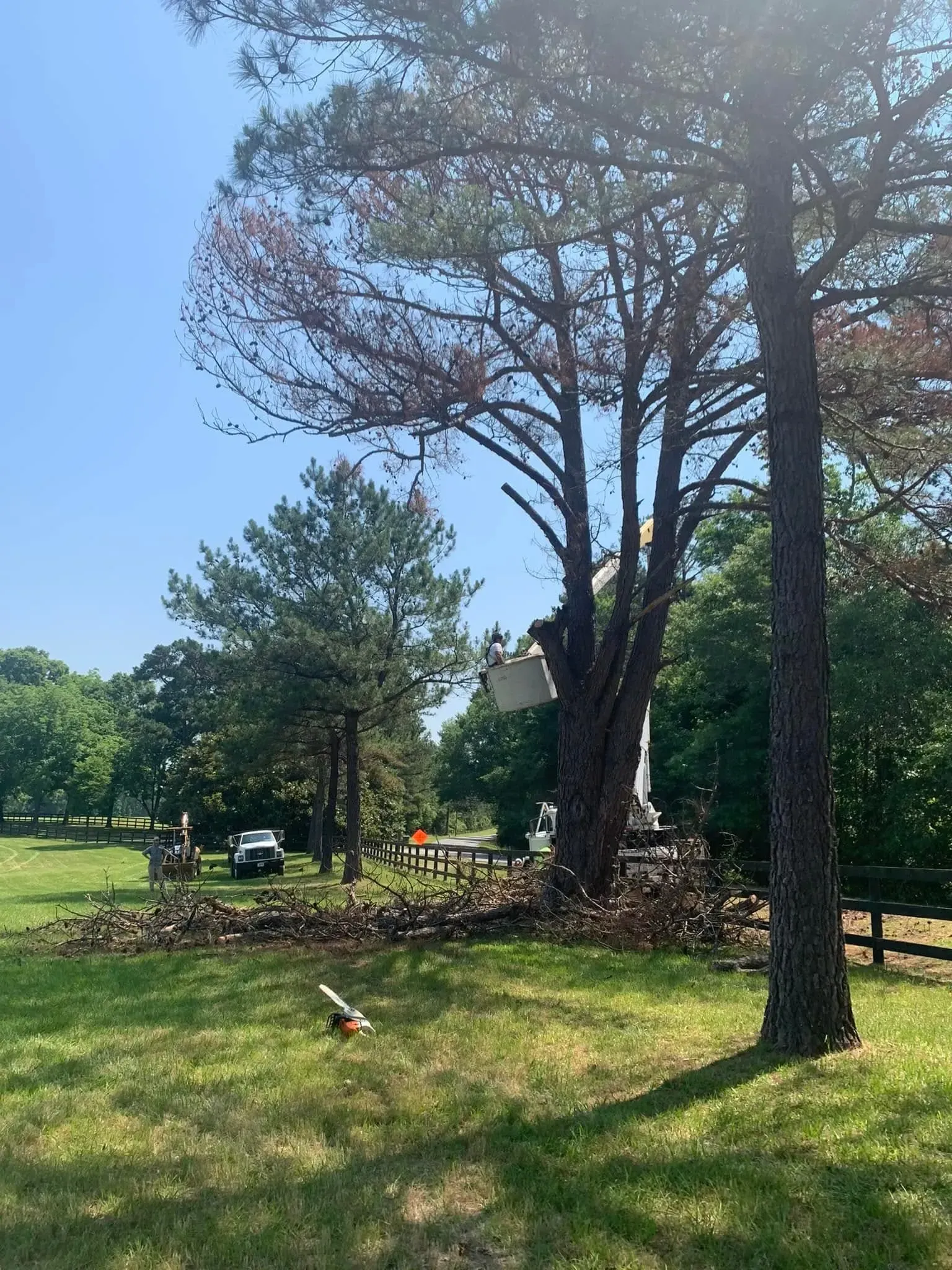
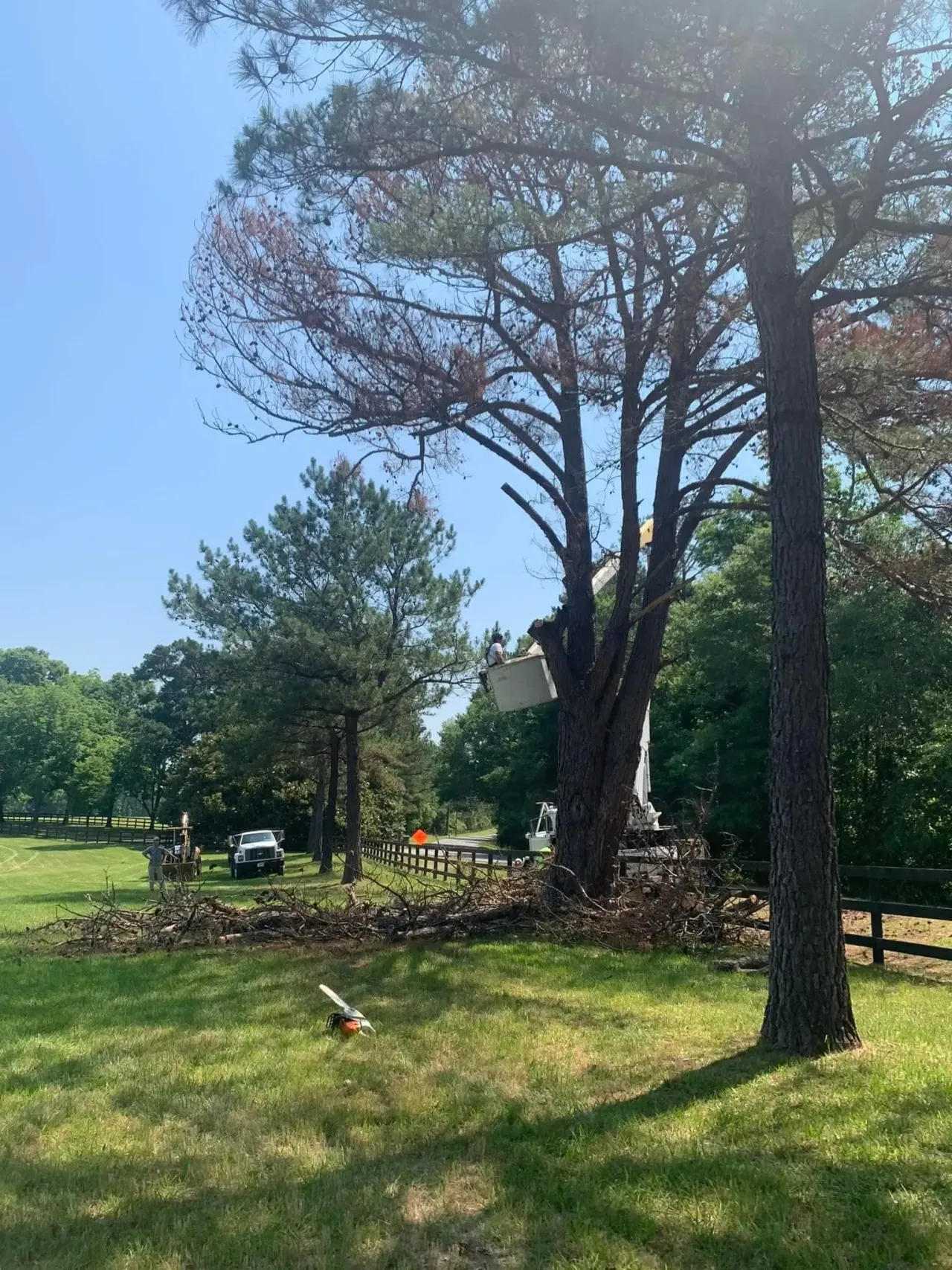
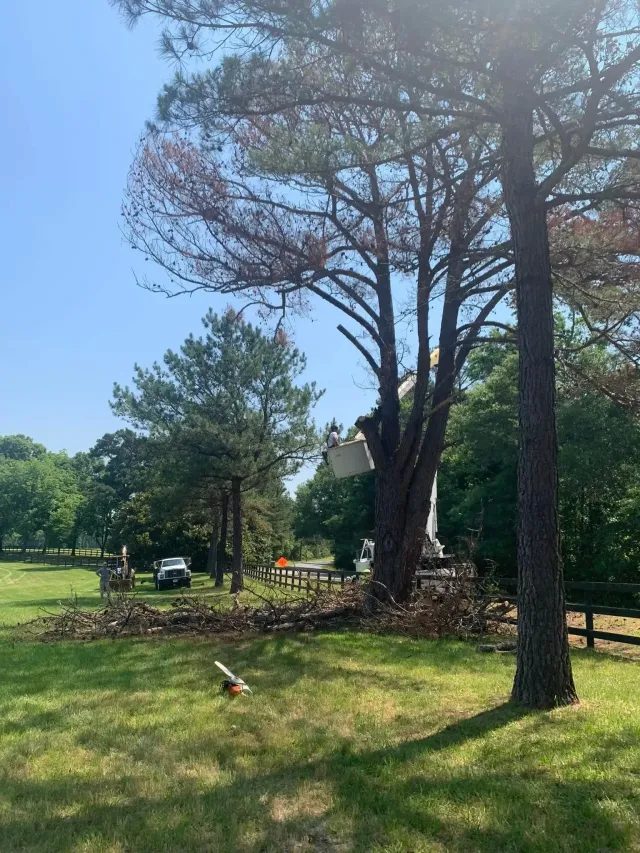
Your trees gain the most during a Columbus summer. Mature shade trees pull a lot of moisture from the soil, and long dry stretches leave them stressed and open to pests. Deep, consistent watering at the root zone helps, although a tree that is already stressed or storm damaged may still need hands-on tree care to stay healthy and safe.
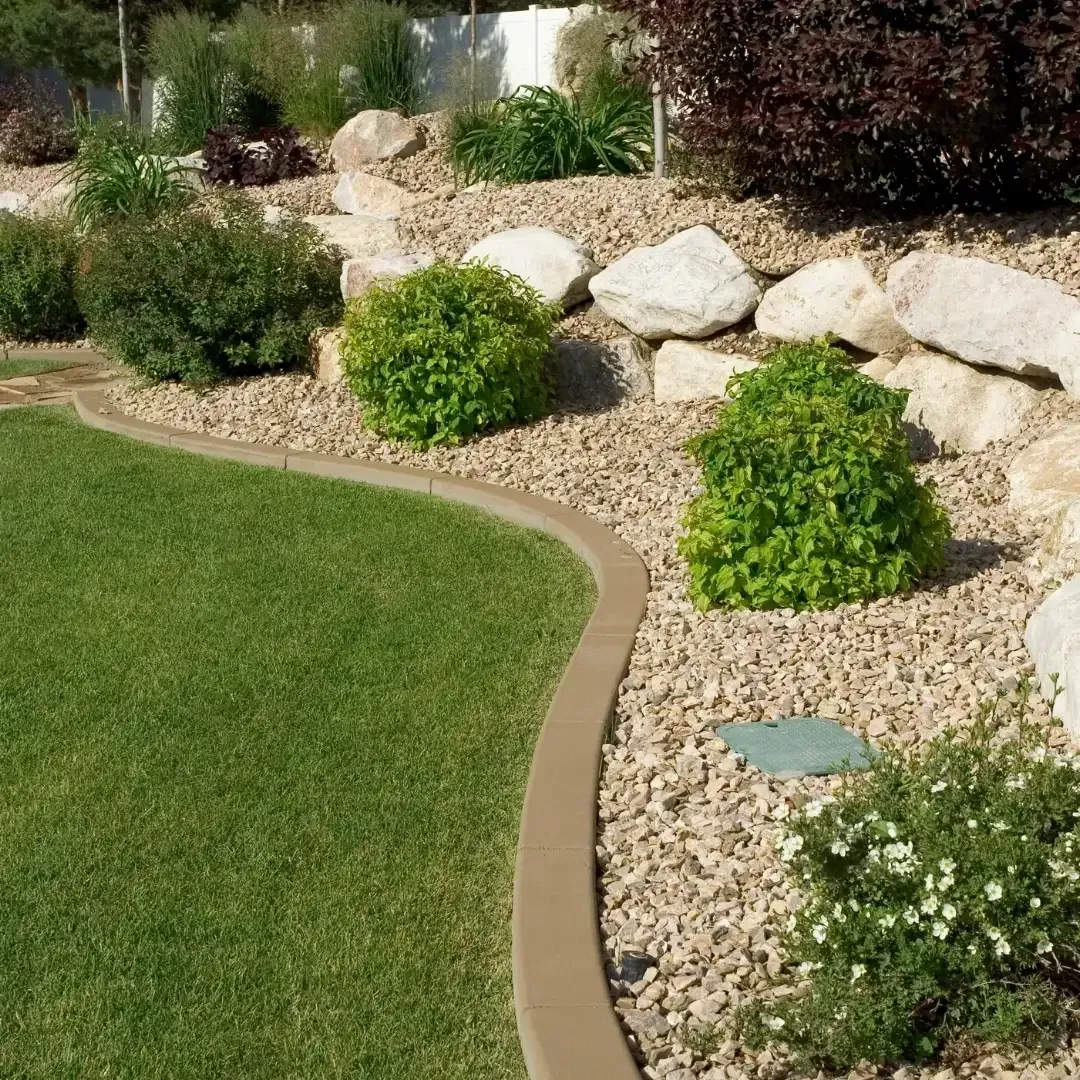
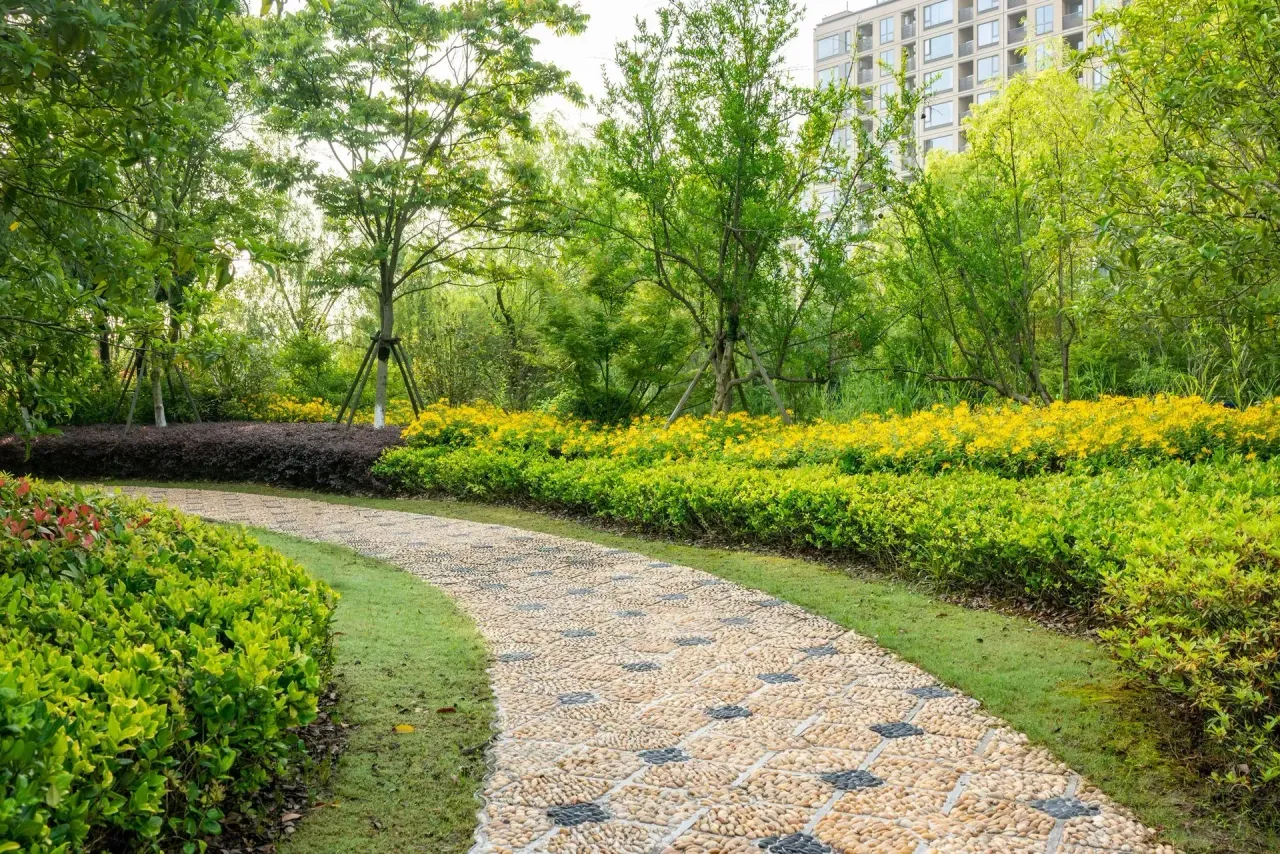
Curb appeal matters too. A yard that still looks good in August protects the money you have already put into it, and strong trees and landscaping can lift your property value when it comes time to sell.
Smart Irrigation Pairs Well With Native Plants
Native plants and smart irrigation work toward the same goal: a good-looking yard that needs less water. The University of Georgia (UGA) Cooperative Extension notes that native trees and shrubs need less irrigation once established and help hold soil moisture by shading the ground.
Still, native does not mean no water. New plantings need steady moisture through their first season, and a drip system delivers that without soaking everything nearby. After that, the controller picks up on the lower demand and waters less often on its own.
If you are thinking about swapping thirsty turf for native beds, it helps to see which yard and tree care trends Columbus homeowners are following this year before you plan the layout.
6 Signs Your Current System Needs an Upgrade
Watch for these signs. If more than one sounds familiar, your system is probably wasting water right now.
- Soggy spots or standing water after a watering cycle
- Dry, yellowing turf even though the schedule runs on time
- Water running down your driveway or sidewalk during irrigation
- Heads spraying pavement, fences, or bare dirt
- No way to pause or adjust the system from your phone
- No rain sensor or soil moisture sensor installed
What to Expect During a Professional Upgrade
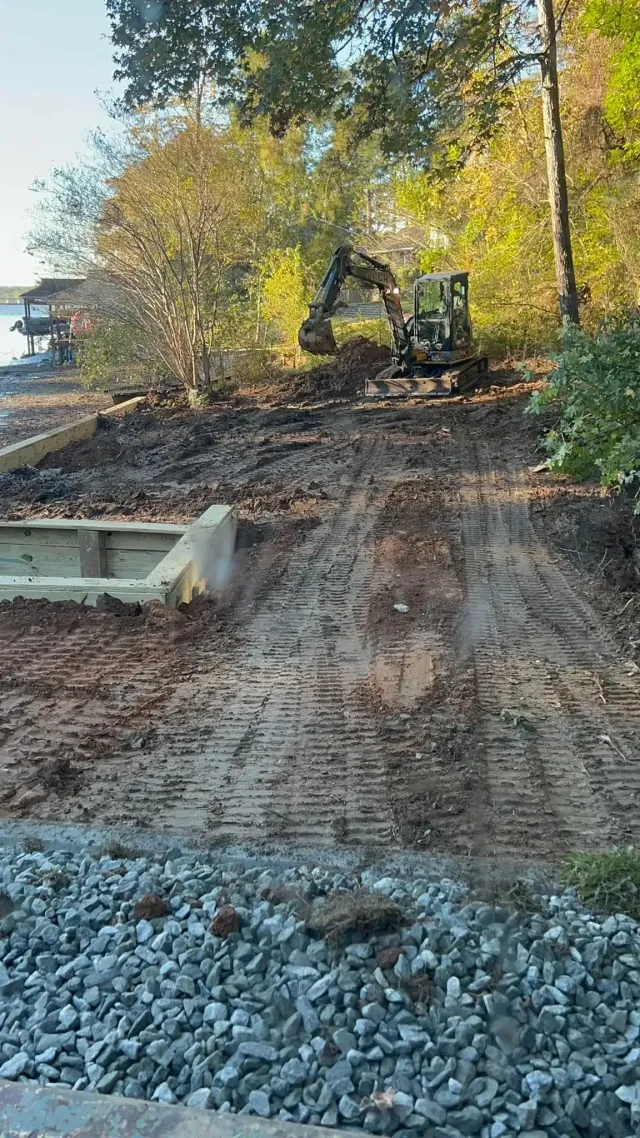
Most residential upgrades wrap up in a single visit. Your technician looks at the property first, then builds the system around what your yard actually needs.
Here is the usual order of work:
- Site Check: We review your layout, soil type, slope, plant zones, and water pressure.
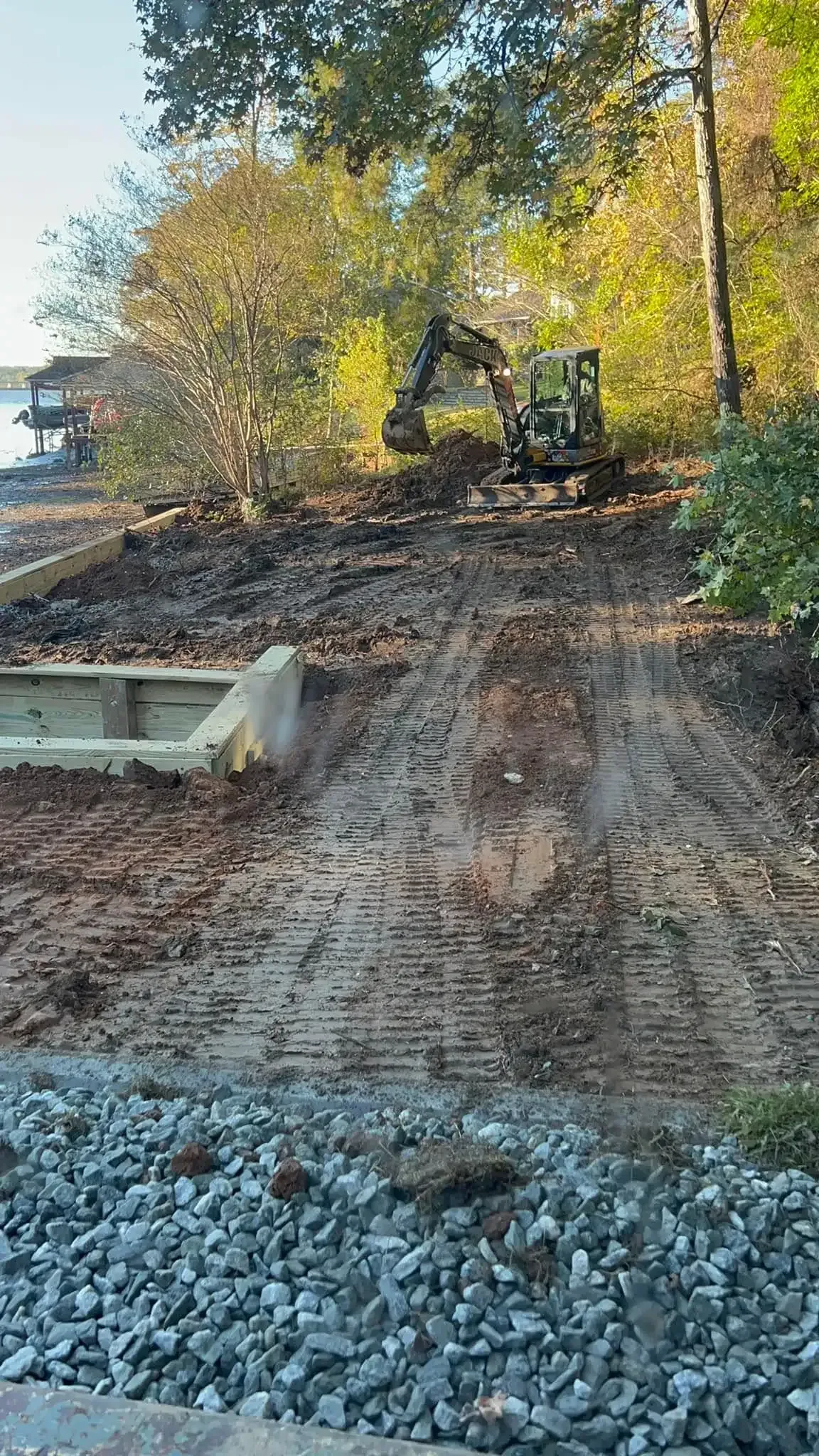
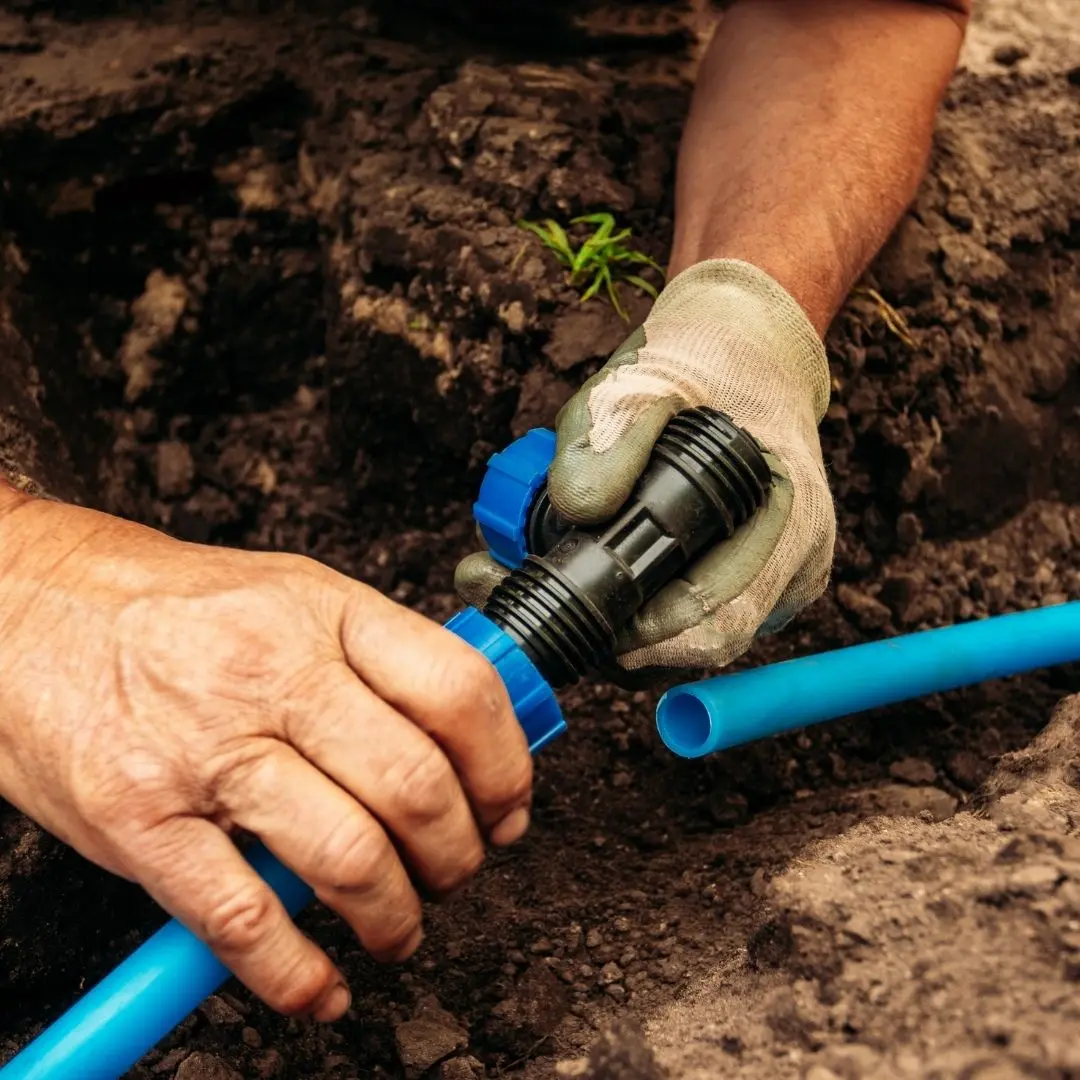
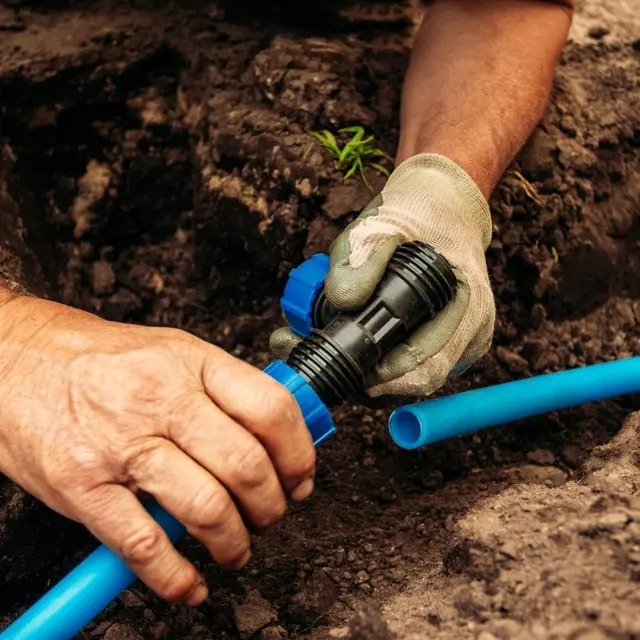
- Head and Line Work: We replace or adjust sprinkler heads and run drip lines to beds.
- Sensors: We set soil moisture sensors at the right depth for your soil.
- Controller Setup: We connect the smart controller to your Wi-Fi and program each zone.
- Walkthrough: We show you the app, and the system fine-tunes itself over the following weeks.


Scheduling in fall has real advantages. The ground is workable, your lawn is not under heat stress, and spring calendars fill up fast. Planning now also gives you time to rethink bed layout, so if you are reworking the yard anyway, start with low-maintenance landscape design basics and let your watering zones follow your planting plan.
FAQs About Smart Irrigation System Upgrades
How is a smart irrigation system different from a regular sprinkler system?
A regular system runs on a fixed timer no matter the weather. A smart system reads sensor data and local forecasts, then waters only when your landscape needs it.
Will a smart system work with my existing sprinklers?
Often, yes. A technician can check your current lines, heads, and valves and tell you whether a smart controller and sensors can be added or whether replacing part of the system makes more sense.
Can smart irrigation really lower my water bill?
Yes. Skipping unneeded cycles, pausing for rain, and sending water straight to root zones all cut consumption compared with a fixed schedule.
Is fall a good time to install one in Columbus?
It is. You get time to learn the system and tune your zones before peak demand next summer, and you avoid the spring scheduling backlog.
Which yards benefit most?
Every yard benefits, but properties with native beds, mixed turf zones, ornamental plantings, or newly planted trees and shrubs see the biggest change in both plant health and water use.
Ready to Stop Watering the Sidewalk?
Call Residential Tree Service and Landscape at (706) 681-3582 for smart irrigation work at your Columbus, GA home.
We will look at your current setup, tell you what is worth keeping, and give you clear pricing before any work starts.